
Herb Gardens & Medicinal Plants
German herbal tradition is deeply rooted in monasteries, cottage gardens, and folk medicine.
Medicinal plants have been used for centuries to promote well-being.
Topic Overview
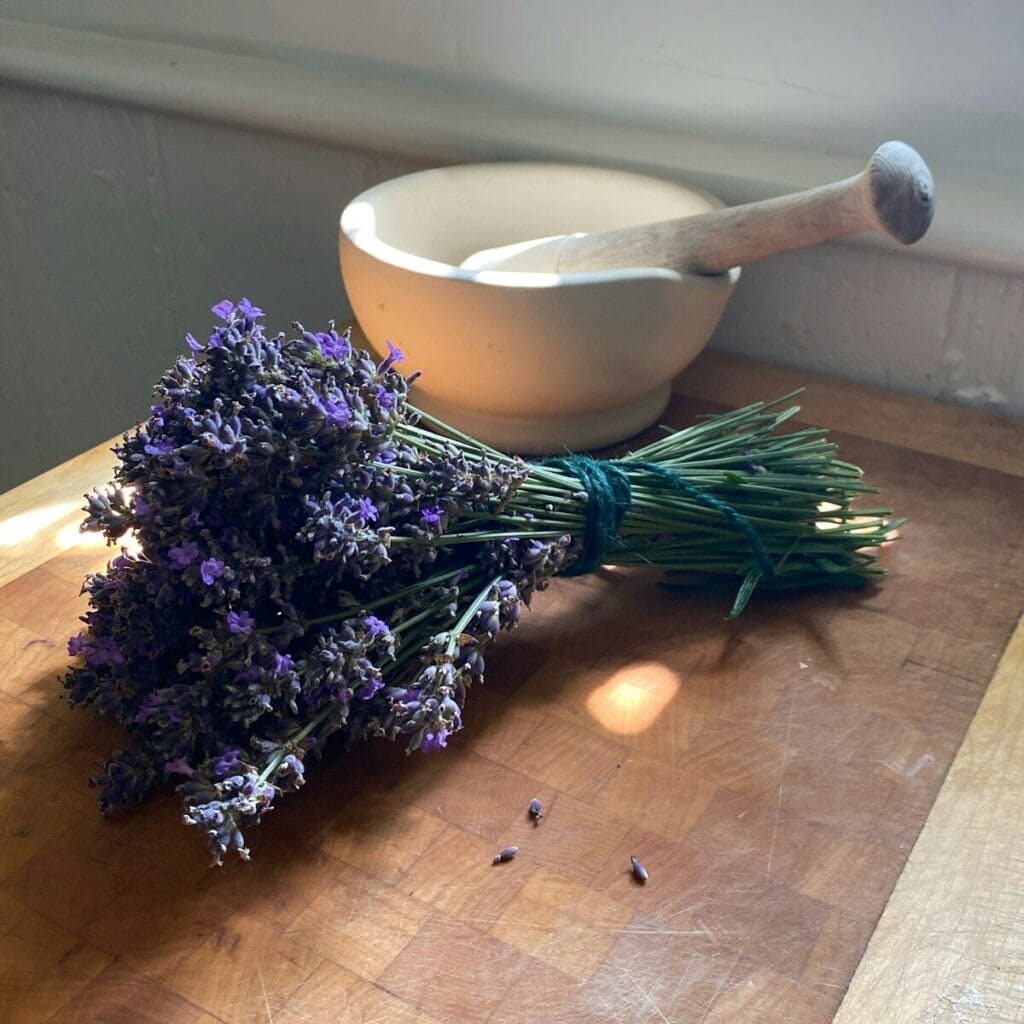
Introduction to Herbalism
German herbal tradition is deeply rooted in monasteries, cottage gardens, and folk medicine. Medicinal plants have been used for centuries to relieve discomfort, strengthen the immune system, and promote general well-being.
Herbs are versatile: used as teas, tinctures, ointments, poultices, bath additives, or in the kitchen.
This category provides a structured overview of key medicinal plants, their effects, and their practical application in everyday life. Herbalism covers the effects, preparation, and application of healing plants.
Many herbs have anti-inflammatory, soothing, expectorant, antispasmodic, or invigorating properties. The plant part used, harvest time, drying method, and preparation form (tea, tincture, ointment, etc.) are crucial. Traditional knowledge is increasingly complemented by phytotherapeutic research today.
Creating a Herb Garden
Having your own herb garden provides fresh medicinal plants right at your doorstep and creates a close connection with nature.
Sunny to partially shaded spots with loose, nutrient-rich soil are ideal.
Popular healing herbs for beginners include chamomile, sage, thyme, mint, marigold, and stinging nettle.
Herbs can be grown in garden beds, raised beds, or pots on balconies and terraces.
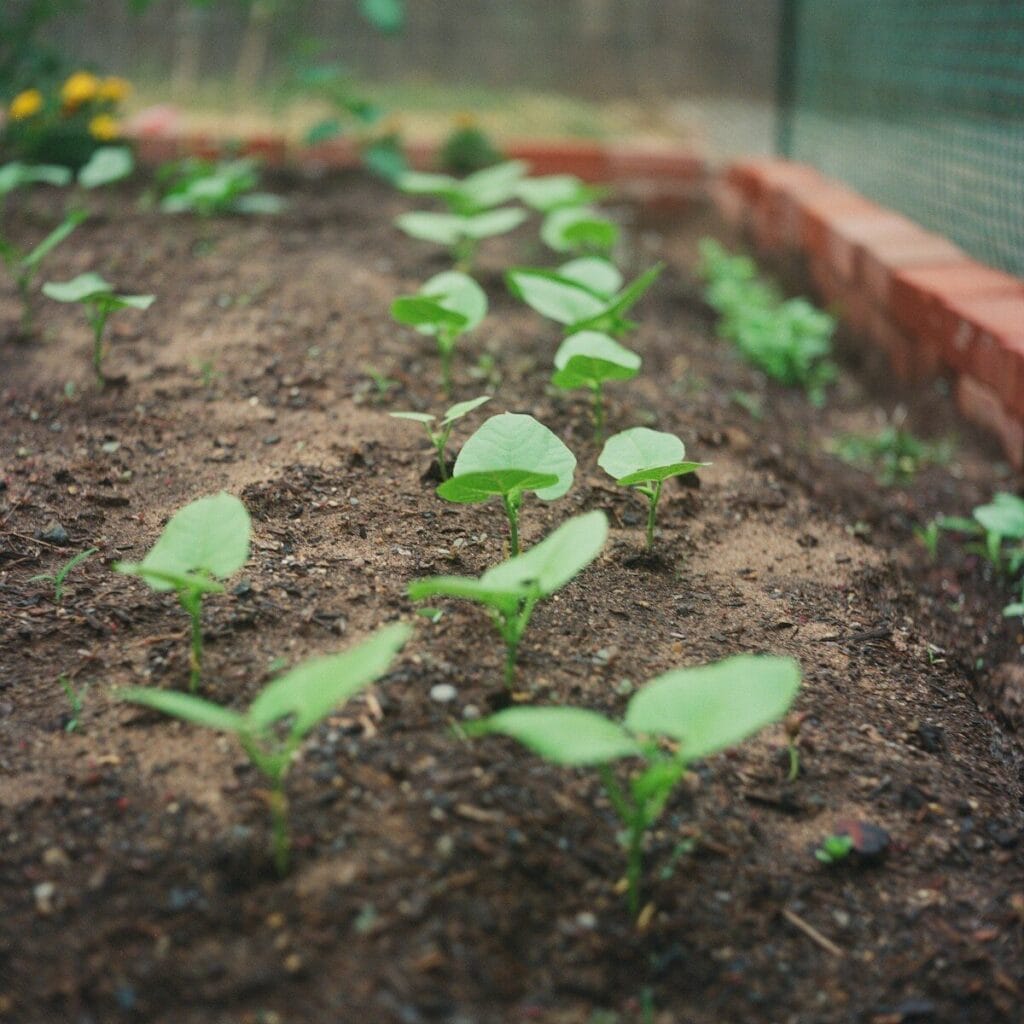

Foraging Calendar
Every medicinal plant has its ideal harvesting time when its concentration of active ingredients is particularly high.
Leaves are mostly harvested in spring and early summer, flowers in midsummer, and roots in autumn.
A foraging calendar helps you plan harvest times and preserve the quality of your herbs.
Medicinal Plants
Chamomile
Chamomile is one of the most famous German medicinal herbs. It has soothing, anti-inflammatory, and antispasmodic properties.
Typical applications include tea for gastrointestinal complaints, steam inhalations for colds, and compresses for skin irritations.
Sage
Sage strengthens the throat and respiratory tract, acting as an antibacterial and astringent agent.
Sage tea is commonly used for sore throats and hoarseness, while gargle solutions help with inflammation in the mouth and throat.
Thyme
Thyme is a classic herb for coughs and bronchial relief. It acts as an expectorant, antibacterial, and antispasmodic.
Thyme tea and thyme syrup are traditionally used for coughs and colds.
Stinging Nettle
Stinging nettle is considered blood-purifying and metabolic-stimulating.
It is used as a tea or fresh plant juice to support the kidneys, bladder, and skin health.
Spruce Needle
Spruce needles help clear the respiratory airways, promote blood circulation, and have an invigorating scent.
Spruce needle tea and spruce needle baths are traditionally used for colds and fatigue.
Ribwort Plantain
Ribwort plantain is an essential herb for soothing coughs and promoting wound healing.
It relieves irritation, reduces inflammation, and has mild antibacterial properties.
Ribwort plantain syrup is frequently used for dry coughs, while fresh crushed leaves soothe insect bites.
Dandelion
Dandelion supports the liver, gallbladder, and digestive system.
Its leaves, roots, and flowers are all utilized—whether in teas, salads, or tinctures.
Rosemary
Rosemary stimulates blood circulation, concentration, and the cardiovascular system.
Rosemary baths and oils are traditionally applied to combat fatigue and muscle tension.
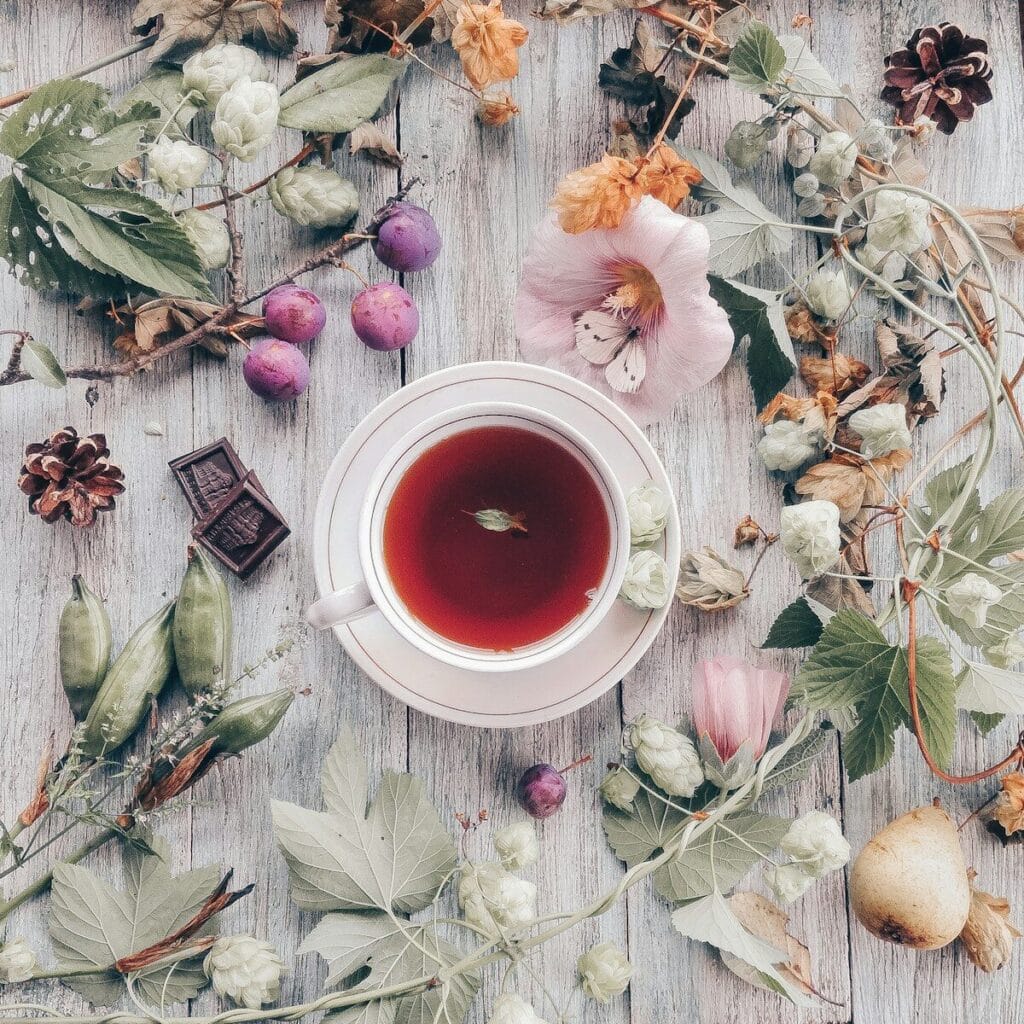
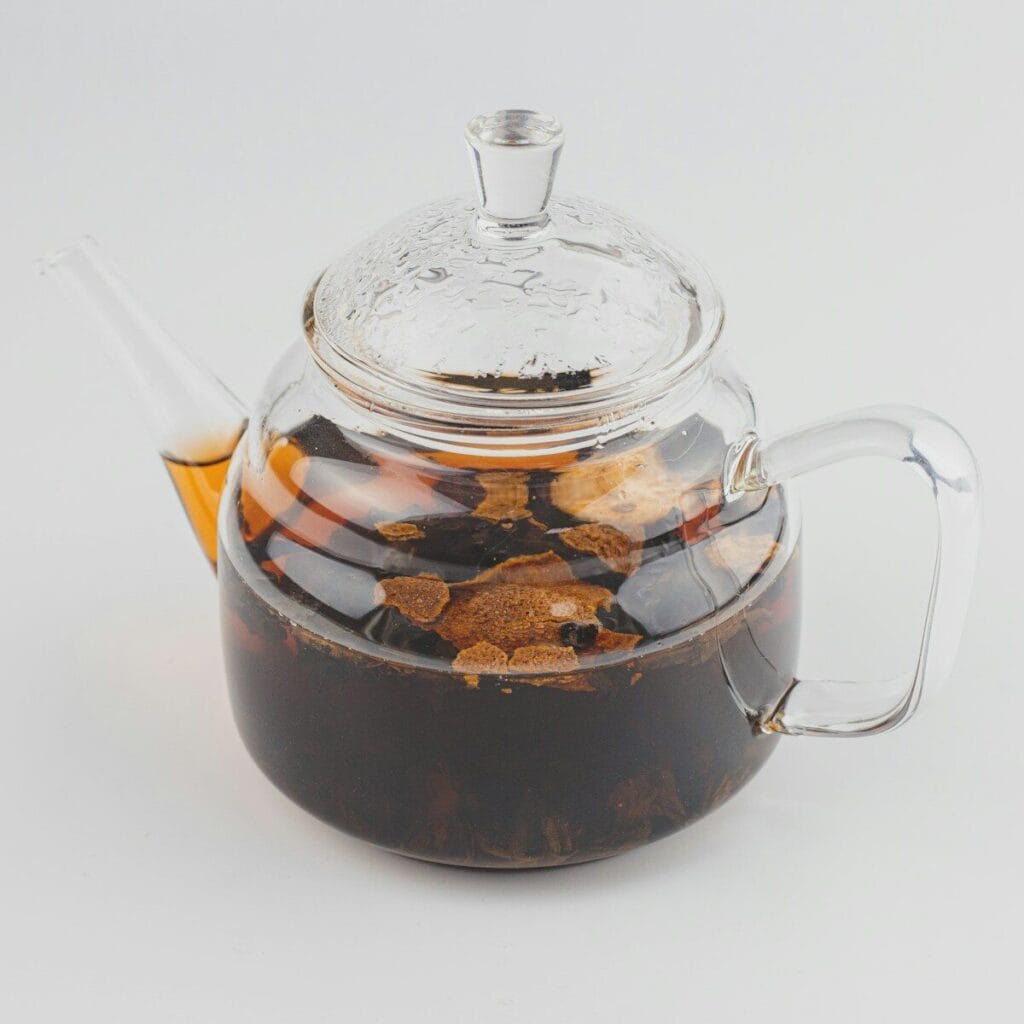
Herbal Teas
Depending on your goals, medicinal plants can be prepared in various forms: teas, tinctures, ointments, oils, inhalations, or baths.
Teas work internally, ointments and oils externally, and inhalations target the respiratory system directly.
Proper preparation determines both effectiveness and tolerability.
Tinctures – Concentrated Botanical Power
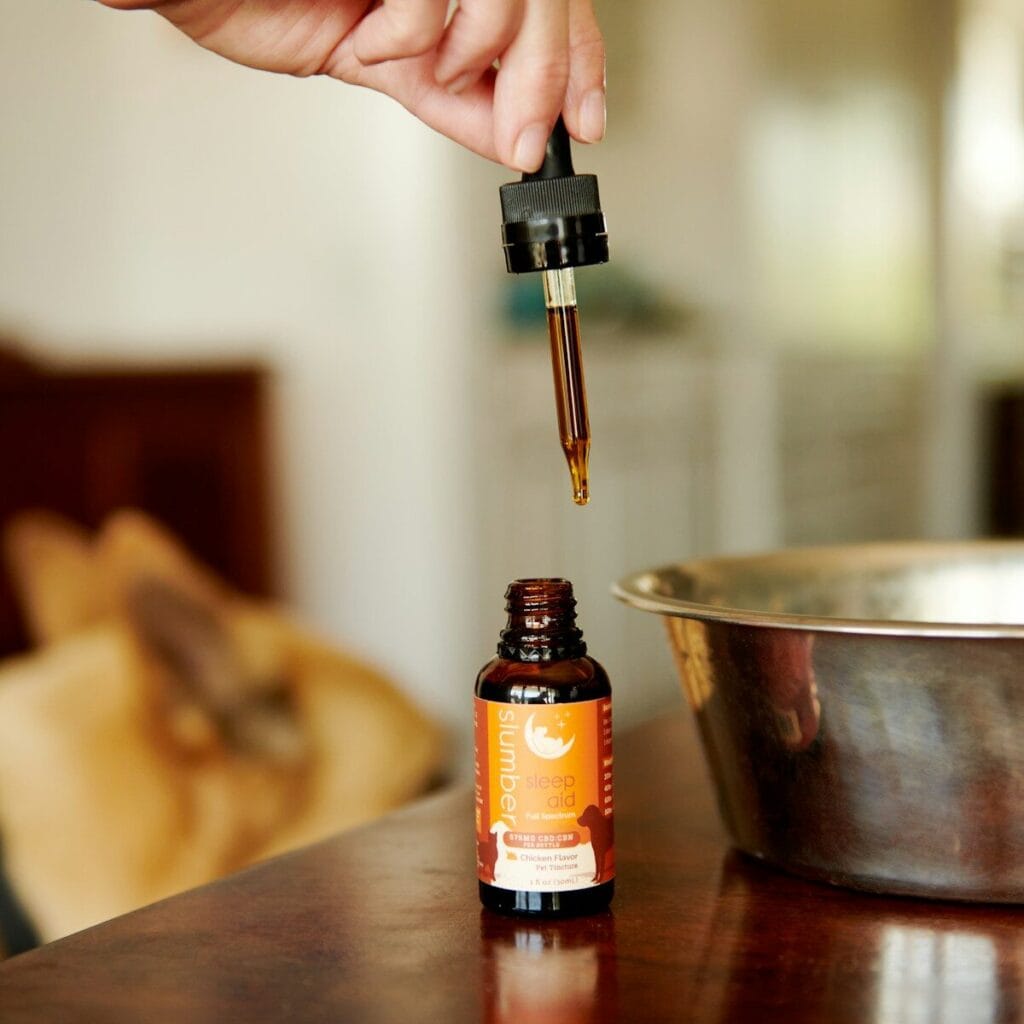
Tinctures are alcoholic extracts made from fresh or dried medicinal plants that preserve active ingredients long-term and make them available in high concentrations. They are suitable for internal use (e.g., for strengthening, soothing, or supporting digestion) and targeted external application in compresses. Benefits: long shelf life, easy dosing, high potency. During preparation, plant matter and alcohol are mixed in a glass container, steep for several weeks, and are then filtered. Practical tips: pay attention to plant selection, alcohol proof, and storage; seek professional advice if uncertain.

Ointments & Balms – Herbal Care
Ointments combine herbal oil extracts with beeswax or plant fats to create spreadable preparations. They deliver fat-soluble active ingredients directly to skin, joints, or minor wounds, making them ideal for skin irritations, small injuries, or muscle and joint discomfort. Benefits: good adherence to the skin, protective barrier, targeted local application. Preparation: herbal oil (infused sunflower or macerated oil) is warmed and emulsified with beeswax; oil quality and hygiene are essential. DIY workshops and recipe books offer practical step-by-step guidance.
Recommended Products for Herbal Applications
Selected books, tea sets, and herbal ointments for your everyday routine.
Herbal Guides & Books
Comprehensive knowledge of over 500 medicinal plants, their properties, and practical daily applications.
Organic Herbal Tea Sets
High-quality herbal tea blends and gift sets for soothing enjoyment and well-being.
Herbal Ointments & Balms
Soothing plant ointments and natural balms for targeted application on skin and joints.