
Schüßler Salts:
Fundamentals, Applications & Principles of Action
Schüßler salts were developed in the 19th century by the physician Dr. Wilhelm Heinrich Schüßler, who assumed that many ailments stem from disturbances in the mineral balance of cells. His concept was to provide minerals in a potentized, homeopathically prepared form so that they could enter the cells with particular ease. The salts are intended to support cellular regulation by harmonizing biochemical processes and encouraging the body to make better use of existing minerals. Traditionally, they are used to support skin, nerves, the immune system, metabolism, and overall vitality. Many users value the salts because they are considered gentle, well-tolerated, and suitable for everyday life. They are frequently used in home medicine kits because they are uncomplicated to take and easy to combine. Although they are not considered a substitute for medical treatment, they are valued in naturopathy as a complementary, regulating measure.
Topic Overview

The 12 Basic Salts
The 12 basic salts form the heart of Schüßler therapy and are considered fundamental functional agents of the body. Each salt is assigned to a specific organ, tissue, or biochemical process where it is intended to have a regulatory effect. Examples include: No. 1 Calcium fluoratum for connective tissue and elasticity, No. 3 Ferrum phosphoricum for immune defense and oxygen transport, No. 7 Magnesium phosphoricum for nerves and muscles, and No. 11 Silicea for skin, hair, and nails. The basic salts are frequently recommended as a starting point because they support fundamental processes and are versatile in application. Many users rely on them for daily regulation or in acute situations. Due to their broad spectrum of action, they are considered the foundation of a biochemical home medicine kit.
Supplementary Salts
In addition to the 12 main salts, there is a range of supplementary Schüßler salts designed to support specific processes and special stress situations. These supplementary salts are often used when the body requires additional impulses, such as during stress, exhaustion, skin issues, or metabolic strain. Examples include No. 13 Kalium arsenicosum, which is traditionally used for nervous weakness, or No. 21 Zincum chloratum, which is linked to the skin and immune system. Supplementary salts are usually selected in a targeted, symptom-oriented manner. They complement the basic salts and allow for a finer adjustment of the treatment. Many users combine basic and supplementary salts to achieve a more comprehensive effect profile.

For the Skin
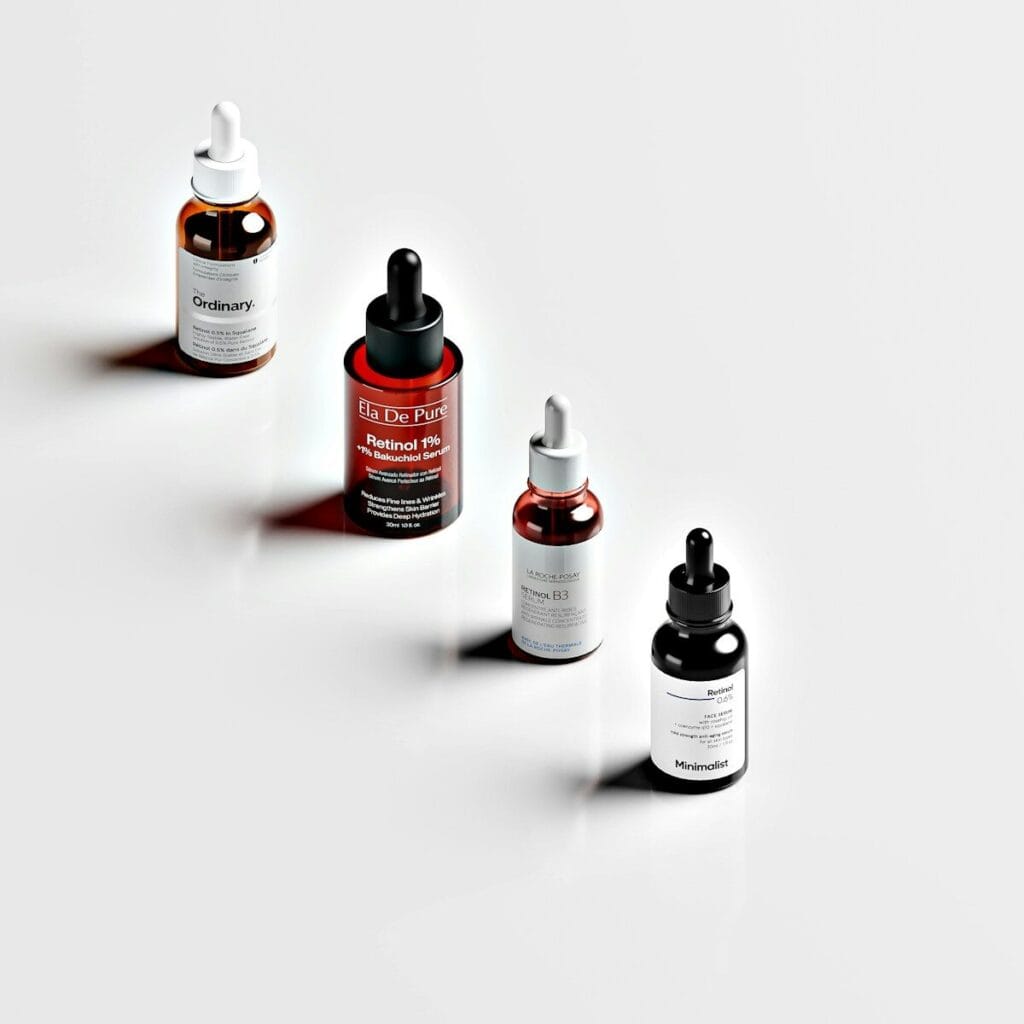
Schüßler salts are traditionally used to support skin regeneration and connective tissue. Silicea (No. 11) in particular is regarded as the salt for structure, firmness, and skin clarity, while Calcium fluoratum (No. 1) is intended to promote the elasticity of skin and tissue. This combination is frequently used for dry skin, fine lines, scars, or weak connective tissue. The salts can be taken internally or applied externally as a cream or ointment. Many users report improved skin structure and a more balanced complexion. In naturopathy, they are valued as gentle companions for long-term skin care and regeneration.
For Nerves & Stress Balance
Two salts are primarily used for nerves, stress balance, and inner calm: Magnesium phosphoricum (No. 7) and Kalium phosphoricum (No. 5). No. 7 is considered the classic “nerve salt,” intended to help with tension, inner restlessness, and stress reactions. No. 5 is referred to as “nerve food” and is traditionally used for mental exhaustion, difficulty concentrating, and mental strain. Many users combine both salts to regulate both physical and mental tension. The salts are often used during stressful life phases or before exams. They are valued as gentle support for the autonomic nervous system.

In Times of Stress & Exhaustion
During times of stress, mental burden, and exhaustion, Kalium phosphoricum (No. 5) and Magnesium phosphoricum (No. 7) take center stage. No. 5 is traditionally used for mental fatigue, emotional burnout, and poor concentration. No. 7 is intended to harmonize physical tension, muscle stiffness, and stress responses. Together, they are considered the “anti-stress duo” of Schüßler therapy. Many users employ them during intense life phases, for sleep problems, or for recovery after heavy exertion. They are valued as a gentle support for nerves, energy, and mental stability.
For the Immune System
Ferrum phosphoricum (No. 3) is traditionally used for the immune system, particularly at the first signs of a cold or general immune weakness. It is intended to activate the body’s self-defenses and stabilize the organism. Kalium chloratum (No. 4) is frequently used in addition, as it is associated with mucous membranes and inflammatory processes. This combination is commonly utilized during cold season. Many users report that they experience these salts as gentle support when the body needs additional impulses. They are considered regulating companions for the immune system and mucous membranes.


For the Metabolism
Natrium sulfuricum (No. 10) is particularly used for metabolism, traditionally associated with excretion, detoxification, and fluid regulation. It is intended to support the body in better eliminating metabolic waste products and harmonizing energy flow. Silicea (No. 11) is used as a complement, as it is considered the salt for structure and cellular metabolism. Many users utilize this combination during sluggishness, metabolic strain, or for overall regulation. Schüßler salts are also applied in areas such as skin, hair, nails, digestion, sleep, and vitality. Selection is traditionally made according to symptoms and their relation to specific minerals.
Recommended Products for Schüßler Salts
Starter sets, books, and pill organizers for daily use.
Starter Sets & Recommendations
Starter sets usually contain the 12 basic salts in a compact box and are ideal for beginners.
Books & Guides
In-depth background knowledge, reference tables, and practical tips for structured and safe daily usage.
Pill Organizers & Accessories
Compact and sturdy organizers to clearly sort and safely store various Schüßler salts.