Detoxification & Cleansing
Gently support the body’s natural elimination processes and
promote general well-being.
Topic Overview
Introduction to Detoxification & Cleansing
Detoxification describes the body’s natural elimination processes that take place daily, whether one actively supports them or not. The organism possesses several specialized systems—including the liver, kidneys, intestines, skin, and lymphatic system—that continuously process and flush out metabolic residues, environmental toxins, and waste products. In naturopathy, the goal is not to “detoxify” the body in a medical sense, but rather to support, relieve, and strengthen these natural pathways. Many traditional methods, such as bitters, fasting, sauna, dry brushing, or herbal teas, aim to activate the excretory organs and bring metabolism into a harmonious flow. These practices are mostly gentle, suitable for everyday life, and well-tolerated, which is why they have been passed down for generations. Modern individuals are turning to them more frequently because they are simple to implement, cost-effective, and easily combined with a conscious lifestyle. The following subchapters provide a structured overview of central elimination organs and traditional methods that can support the body naturally. Each method works differently—some promote warmth, others lymphatic flow, and still others digestion or respiration. What they all share is that they do not replace the body’s functions, but rather enhance its inherent capabilities.
Liver & Kidneys
The Liver
The liver is the body’s primary metabolic and detoxification organ, performing over 500 distinct functions. It filters the blood, breaks down hormones, neutralizes metabolic byproducts, and converts substances so they can be excreted. Simultaneously, it produces bile, which is essential for fat digestion and the elimination of specific compounds. A healthy liver works quietly and efficiently, but reacts sensitively to strain from alcohol, heavily processed foods, stress, or lack of exercise. In naturopathy, bitters are considered particularly liver-friendly as they stimulate bile production and activate metabolism. Moderate exercise, adequate hydration, and regular breaks also support liver function. Traditionally, plants like artichoke, milk thistle, and dandelion are utilized for their strengthening and regulating qualities. A conscious diet and mindful lifestyle significantly contribute to relieving the liver over the long term.
The Kidneys
The kidneys serve as the body’s filtration stations, regulating water balance, electrolytes, and the removal of water-soluble waste products. Operating continuously, they are highly sensitive to fluid deficits. Sufficient fluid intake is therefore the single most important factor in supporting healthy kidney function. Traditional herbalism employs plants like stinging nettle, birch leaves, and goldenrod to stimulate urinary flow and aid excretion. Kidney strain frequently arises from dehydration, excessive salt consumption, or inadequate physical activity that slows metabolic rate. Stress can also indirectly impact the kidneys by altering hormonal processes. Mindful hydration, light exercise, and herbal teas offer straightforward ways to relieve kidney burden daily. Because they work non-stop, the kidneys benefit significantly from consistency.

Fasting Cleanses
Fundamentals of Fasting
Fasting is one of the oldest methods for easing digestive and metabolic workload, practiced across many cultures as a cleansing ritual. It exists in numerous forms—ranging from intermittent fasting and juice fasting to classic therapeutic fasting—varying in duration and intensity. Fasting can heighten nutritional awareness, allow the body to rest, and foster a sense of mental clarity. Many individuals report enhanced focus, improved sleep, and a lighter physical feeling. In naturopathy, fasting is viewed not as a radical measure, but as a mindful process that relieves bodily strain while encouraging mental tranquility. A gentle initiation and an equally careful transition back to solid foods are essential to prevent overwhelming the metabolism. Fasting can also serve as a catalyst for establishing long-term healthy habits. It is less about “scrubbing” the body and more about recalibrating nutrition, daily rhythm, and internal balance.
Deeper Insights & Fasting Practice
Traditional literature frames fasting as a path toward inner clarity, order, and mindfulness. Numerous books offer step-by-step guidance, recipes, daily schedules, and personal accounts that make beginning simpler. The emphasis frequently rests on mindfulness, relief from daily overload, and developing an intentional relationship with food. While some works highlight the spiritual dimensions of fasting, others center on physiological mechanics or practical day-to-day advice. Available resources range from scientifically focused texts to spiritual-philosophical perspectives. Fasting literature can aid in discovering a personal rhythm and navigating fasting periods safely and structurally. It provides foundational context, motivation, and ongoing guidance throughout the process. Many turn to these books to integrate fasting into their lives as a self-care ritual.
Bitters
Bitters serve as classic activators for digestion, the liver, and the gallbladder. They stimulate the production of digestive juices, naturally encourage appetite, and support clear digestive signaling. Time-honored sources include wormwood, gentian, dandelion, and artichoke, which have been valued in herbal medicine for centuries. Bitters are typically taken prior to meals to prepare the digestive system. Many report that bitters help curb sugar cravings and promote an internal sense of order. In naturopathy, they represent a gentle yet powerful support system for the entire digestive tract. They are especially useful during times when the body is processing heavier meals or managing stress. Bitters offer an accessible, daily approach to activating metabolism and unburdening the liver.


Dry Brushing for Skin & Lymphatic System
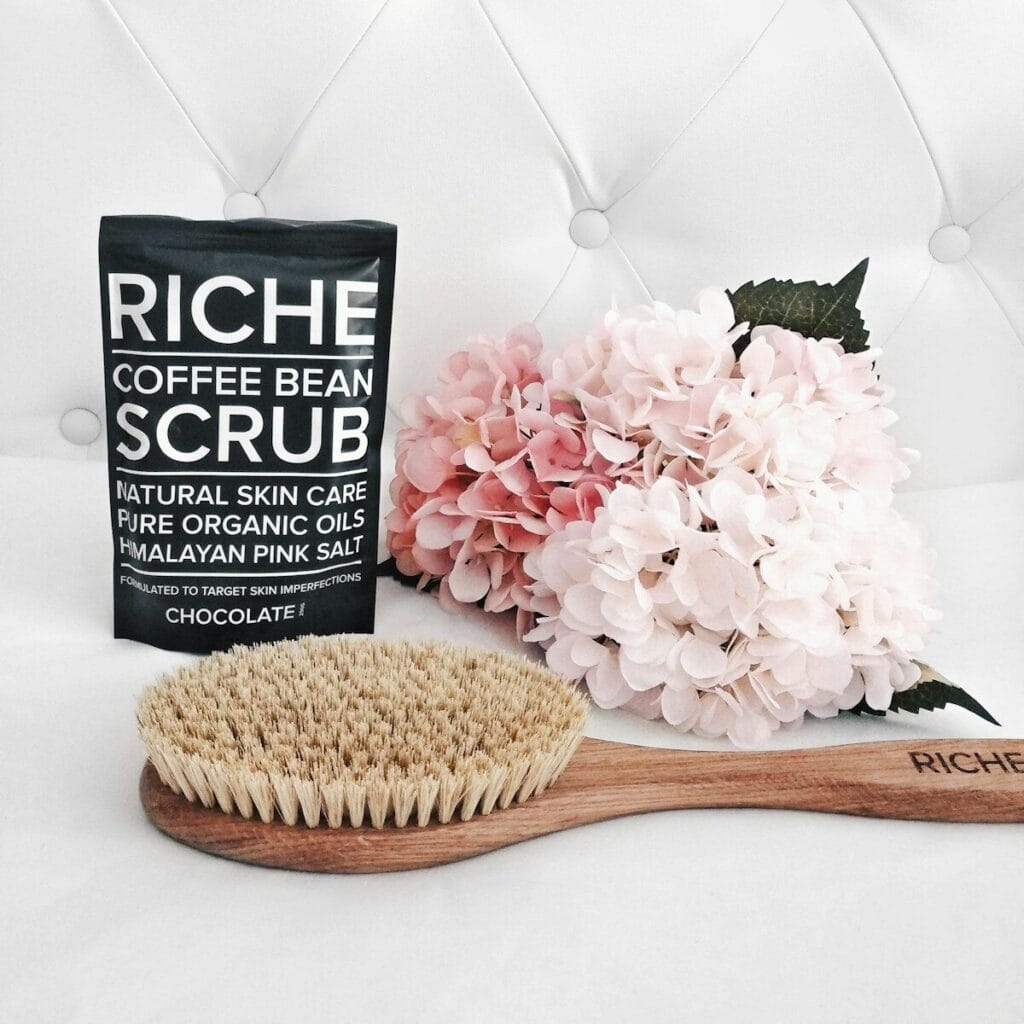
Dry brushing is a traditional technique used to stimulate the skin, circulation, and lymphatic flow. Strokes are consistently directed toward the heart to support natural lymph movement. Just a few minutes are sufficient to create an invigorated, warm sensation throughout the body. Customarily performed in the morning prior to showering, dry brushing boosts circulation and provides an energy lift for the day ahead. Consistency matters more than intensity—3 to 5 minutes daily is widely considered effective. Natural bristles are preferred for their ability to gently yet thoroughly exfoliate and stimulate the skin. Many pair dry brushing with contrast showers to heighten the circulatory and skin benefits. This method is particularly helpful during periods of sluggishness, fatigue, or cold extremities. Simple and economical, it seamlessly integrates into any morning routine.
Sauna & Sweat Therapy
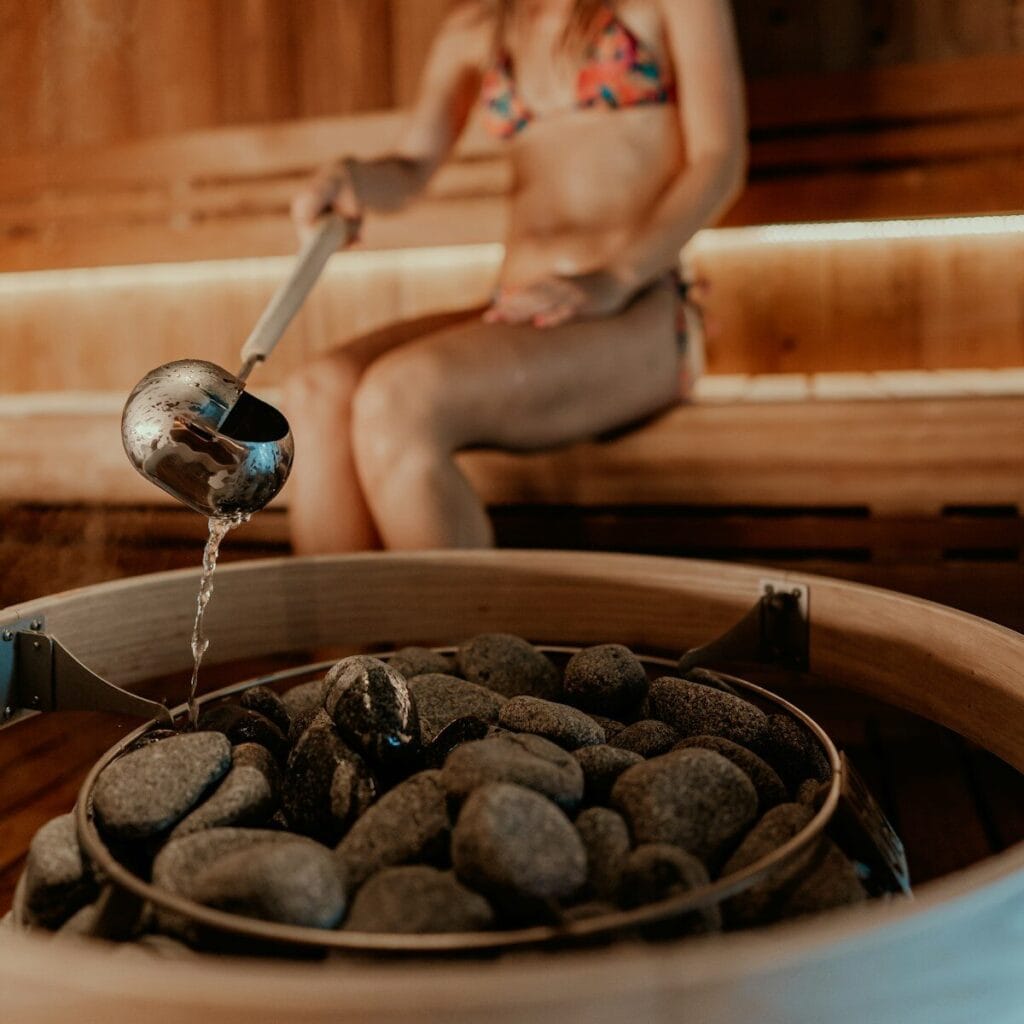
The sauna is a traditional ritual centered on heat, purification, and recovery. High temperatures open pores, elevate blood flow, and induce profuse sweating. This process has been embraced for centuries to relieve bodily tension and enhance general well-being. Alternating between hot steam and cold cooling phases conditions blood vessels and strengthens the cardiovascular system. Many find sauna sessions mentally clearing, as the combination of heat and rest effectively reduces stress. Adequate fluid replenishment is crucial due to significant water loss. Sauna use is especially popular during colder months or following intense physical exertion. It remains an integral element of Nordic and Central European health traditions. In naturopathy, it is valued as a holistic cleansing practice that addresses mind and body in equal measure.
Worm and Parasite Cleanses
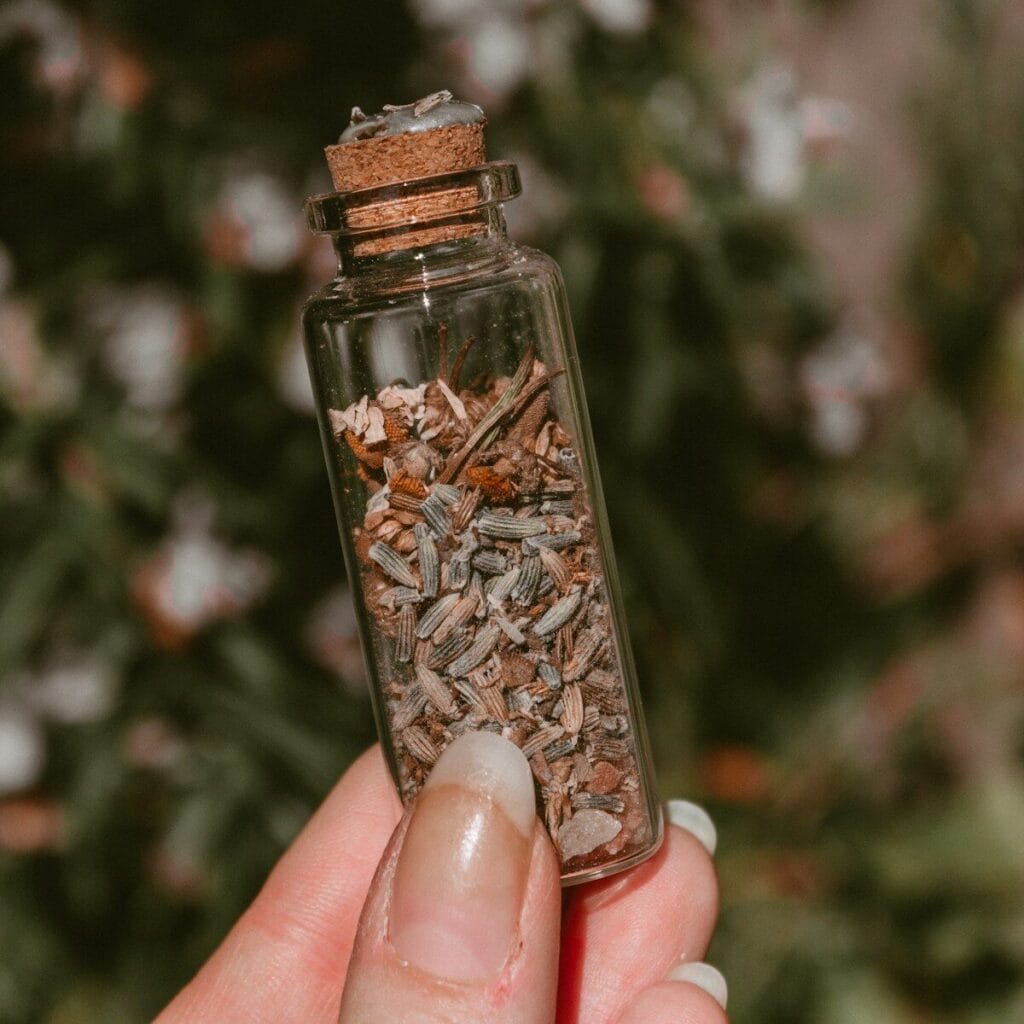
Historically, herbs such as wormwood, clove, and black walnut were used in folk medicine for traditional “deworming” practices. These applications originated in eras with vastly different hygiene standards, where botanicals served as natural protective measures. Today, these plants are primarily valued as sources of bitters that stimulate digestion and metabolic processes. Modern naturopathy focuses not on medical diagnoses in this context, but on maintaining a healthy, balanced digestive tract. Many traditional formulas contain aromatic and bitter herbs designed to regulate appetite and support gut function. The history of herbal deworming illustrates the deep historical connection between nutrition, botanicals, and folk remedies. Today, these preparations serve as cultural heritage and inspiration for contemporary bitter herb formulations.
Recommended Products for Detoxification & Cleansing
Selected dry brushes, sauna accessories, and herbal cleanses for your daily cleansing routine.
Dry Brushes & Sets
Body and exfoliating brushes to gently stimulate the skin and lymphatic system.
Sauna Towels & Textiles
Absorbent sauna towels and soft bathrobes for relaxing sauna sessions.
Botanical Herbal Cleanses
Traditional plant extracts from wormwood, clove, and black walnut in convenient capsule form.