
Hildegard von Bingen:
Healing Knowledge, Nutrition & Principles of Life
Hildegard von Bingen (1098–1179) was a Benedictine nun, mystic, healer, composer, and one of the most influential women of the Middle Ages. Her comprehensive work combines spirituality, observation of nature, nutrition, and the healing arts into a holistic health concept.
Her teachings are based on harmony: between body, mind, soul, and nature. Health arises when all areas are in balance.
Hildegard naturopathy is experiencing a renaissance today because it offers natural, gentle, and practical ways to strengthen well-being.
The Most Important Pillars of Her Teachings
Teachings
Monastic knowledge, visions, and historical medicine.
Recipes & Recommendations
Warming Hildegard cuisine and product comparisons.

Basic Principles
Hildegard von Bingen views humans as a unity of body, soul, and mind; for her, health means restoring inner order, natural rhythms, and emotional balance. This view forms the foundation of her recommendations on nutrition, herbal medicine, daily rhythm, and spiritual practice.
Holism
Physical complaints are not treated in isolation. Hildegard links physical symptoms with emotional states, lifestyle, and environmental factors. Therapy therefore targets several levels at once: dietary changes, daily rhythm, spiritual work, and targeted herbal applications.
Naturalness
Remedies come predominantly from nature: medicinal plants, spices, simple preparations, and grains, with spelt playing a special role. Hildegard describes specific plants, their preparation, and the concept that food can be medicine at the same time. Simple, unprocessed foods are at the center.
Moderation and Order
Moderation in diet, work, and sleep, as well as an orderly daily and seasonal rhythm, are central healing factors. Excess creates imbalance, while structured habits strengthen vital energy and support healing processes. This philosophy of order runs through Hildegard’s writings and her lifestyle recommendations.
Inner Harmony
According to Hildegard, emotions, virtues, and vices influence bodily fluids and thus health. She recommends spiritual work, prayer, music, and ethical self-reflection as complementary therapeutic elements because emotional balance is considered a healing factor.
Methods and Applications
Typical methods include dietary and order therapy (e.g., spelt-based diet, targeted spices), herbal medicine, elimination procedures such as fasting, as well as gemstone and rhythm therapies; these methods continue to be developed in complementary medicine contexts today, though they are evaluated differently historically and scientifically. Professional advice is important for health issues.
Nutrition
Nutrition According to Hildegard: Spelt, Herbs & Spices
Nutrition is the centerpiece of Hildegard naturopathy. It aims to strengthen, relieve, and harmonize the body. Spelt as an ancient grain, fennel, sweet chestnut, and mild herbs and spices are particularly recommended. Avoidance applies to pork, strawberries, and excessive raw food.
Spelt – The Ancient Grain
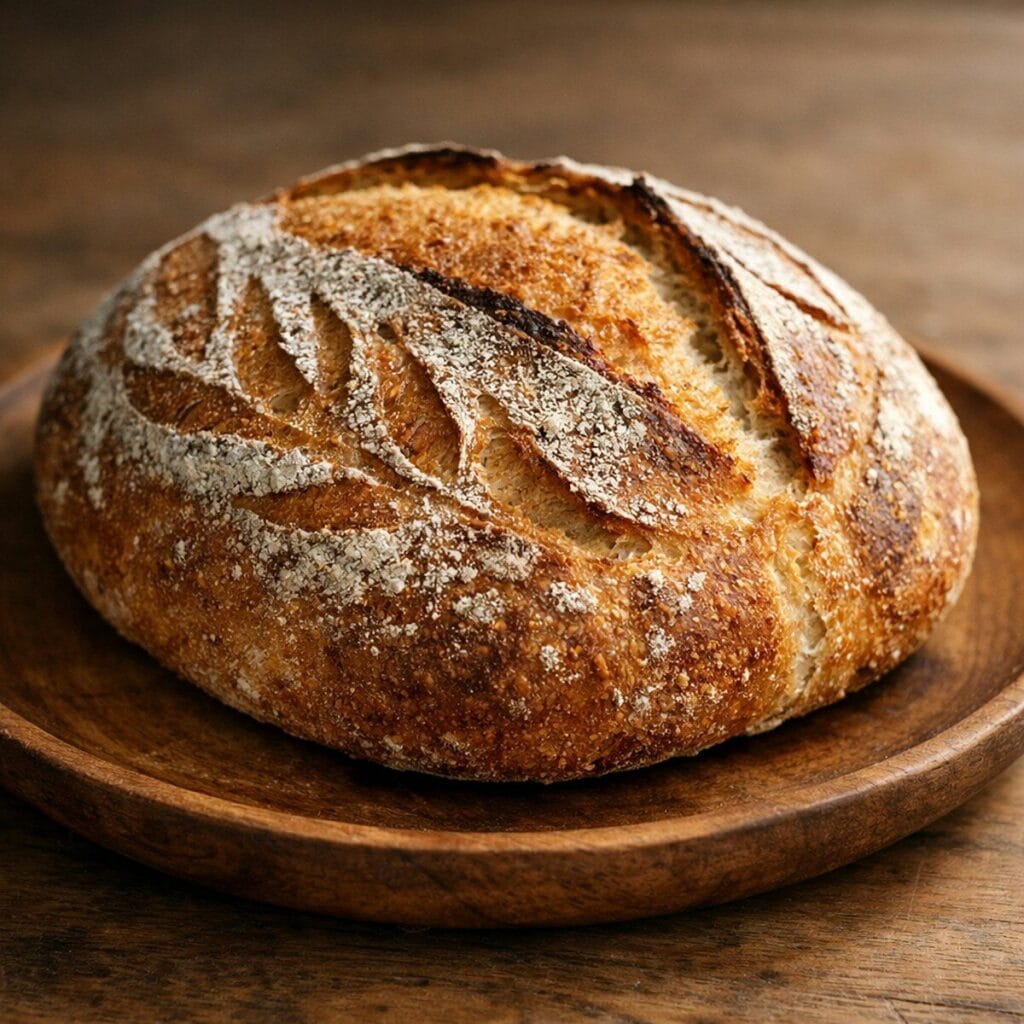
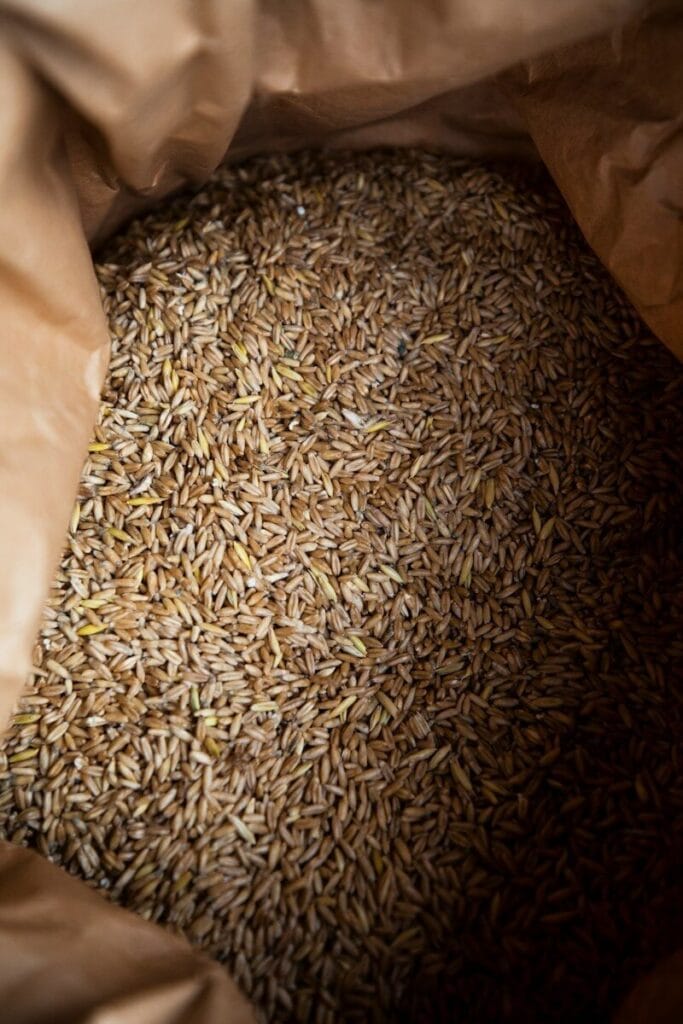
For Hildegard von Bingen, spelt is not simply a grain, but a central staple food of special health value. In her writings, she describes it as the “best grain” because, according to her observations, it strengthens, warms, is easily digestible, and lifts the mood. Spelt is considered harmonizing for body and soul and thus forms the basis of many Hildegard recipes.
Why Spelt Is So Valuable
Spelt possesses a balanced composition of carbohydrates, high-quality proteins, minerals, and dietary fibers. Hildegard emphasizes that spelt produces “good juices”—an expression meaning it supports metabolism, strengthens the body, and at the same time does not burden it. People with sensitive digestion benefit particularly from its high digestibility.
Warming and Strengthening Properties
In Hildegard’s teachings, spelt is classified as warming. This means: It promotes inner strength, supports vital warmth, and has a stabilizing effect during exhaustion, feeling cold, or a weak constitution. This warming quality makes it an ideal staple food in the cold season or for people with a tendency to feel cold.
Versatile Uses in the Kitchen
Spelt is extremely versatile and can be used in almost any form:
– Bread & Baked Goods: Spelt bread is considered particularly nutritious and well-tolerated.
– Soups & Stews: Spelt grains or spelt rice add substance and warmth to soups.
– Porridges & Hot Cereals: Ideal for a gentle, strengthening breakfast.
– Sweets & Desserts: Spelt semolina, spelt flour, and spelt flakes are suitable for cakes, casseroles, and Hildegard classics like spelt Habermus.
Spelt as the Foundation of a Healing Diet
In Hildegard nutrition, spelt often forms the core of a balancing diet. It can be consumed daily and serves as the foundation for many curative and restorative dishes. Through its mild, harmonizing effect, it supports both physical regeneration and emotional stability.
Fennel
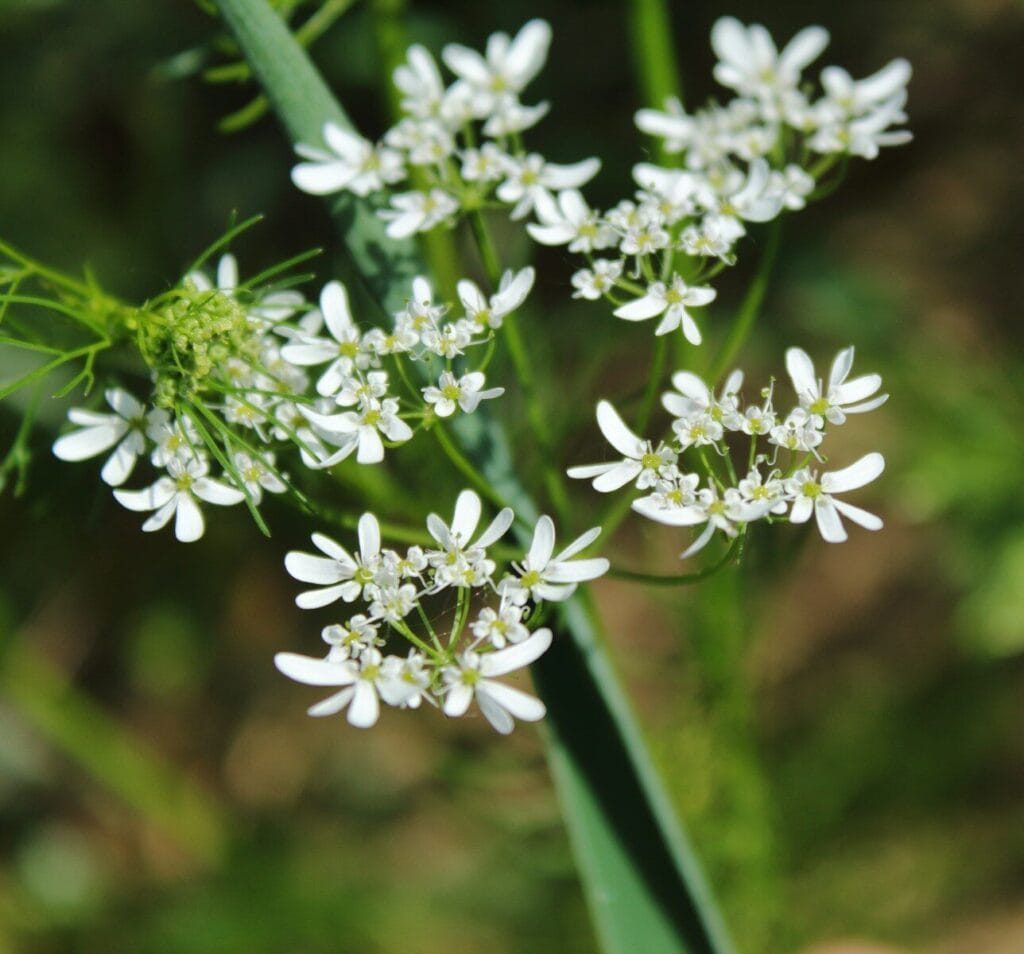
Fennel is one of the most important medicinal plants in Hildegard medicine. It is considered mild, warming, soothing, and balancing—a plant that supports both body and soul equally. Hildegard describes fennel as a herb that “makes a person happy” because it relieves tension, harmonizes digestion, and eases breathing.
Effect on the Stomach
Fennel is a classic remedy for soothing the digestive system. It relieves bloating, relaxes the stomach, and promotes gentle, even digestion. In Hildegard nutrition, fennel is especially recommended for fullness, sensitive stomachs, or after heavy meals. Its warming quality helps resolve cold and stagnation in the abdomen.
Support for Nerves and Emotional Balance
Fennel acts as a stabilizer not only physically, but also for the nervous system. Hildegard attributes to it a calming effect on the nervous system that can soothe inner restlessness, mild tension, or stress. Fennel tea or fennel dishes are considered gentle companions during times of mental strain or emotional exhaustion.
Strengthening the Respiratory Tract
Fennel is traditionally an important herb for the respiratory tract. It acts as an expectorant, warms, and eases breathing. Particularly during the cold season or when prone to coughing and tightness, fennel is described as soothing. Hildegard frequently recommends it in combination with warm drinks or herbal blends.
Versatile Application in Kitchen and Everyday Life
Fennel as a Daily Companion
Fennel can be used in many forms:
– Fennel tea: soothes the stomach and nerves, ideal after meals or in the evening
– Fennel seeds: as a spice in bread, vegetables, or warm dishes
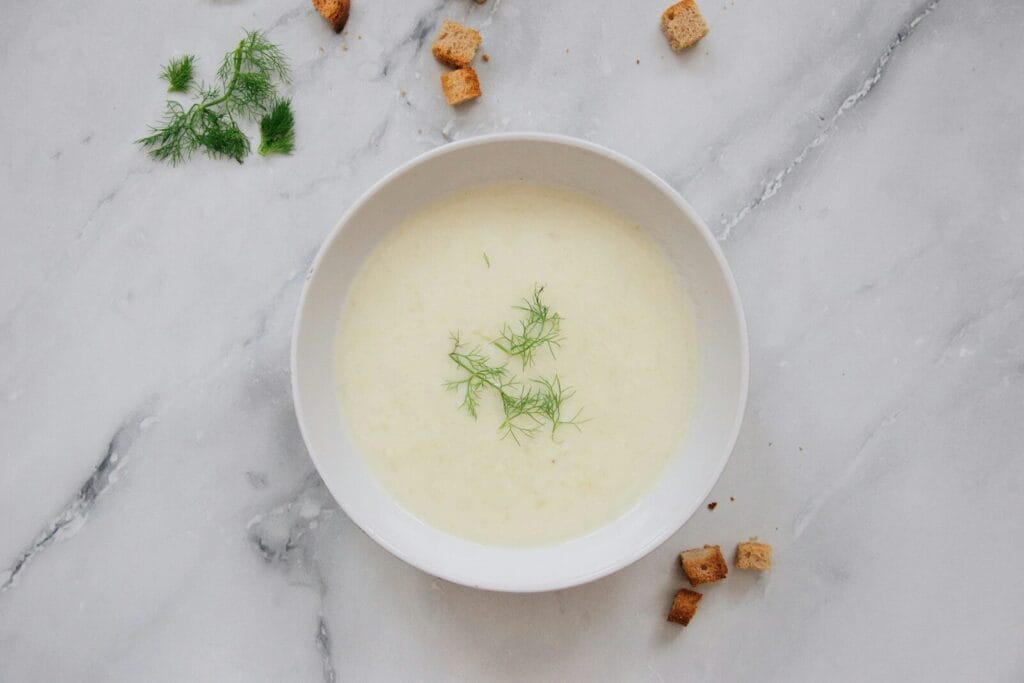
– Fresh fennel: in soups, oven-baked dishes, or as a mild vegetable
– Fennel honey: traditionally for the respiratory tract and gentle warmth
Thanks to its mild, sweet flavor, fennel is easily integrated into daily life.
In Hildegard naturopathy, fennel is considered a plant that can be used daily—for strengthening, supporting digestion, and promoting inner peace. It is one of the most universal remedies in Hildegard’s system and is suitable for almost every body type.
Sweet Chestnut
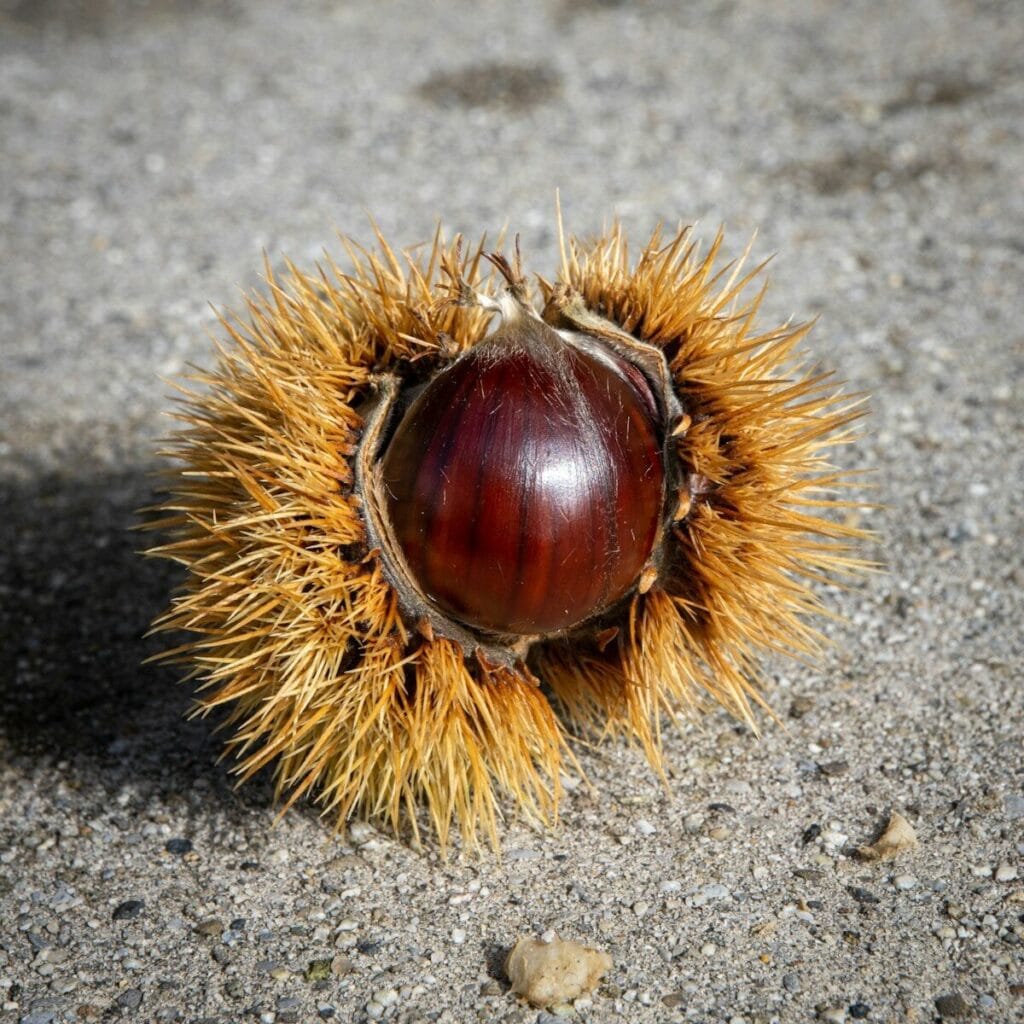
In Hildegard naturopathy, the sweet chestnut (Castanea sativa) holds a special place. It is considered restorative, strengthening, and harmonizing, especially for nerves, heart, and mind. Hildegard describes the chestnut as a tree with “inner strength,” whose fruits endow humans with stability, warmth, and inner firmness.
Effect on Nerves and Mind
The sweet chestnut is traditionally used to relieve nervous weakness, inner restlessness, and mental exhaustion. Its nourishing properties are said to calm and simultaneously strengthen the nervous system. In Hildegard’s teachings, it is often recommended when people feel “empty,” overwhelmed, or emotionally unstable. The chestnut is considered a fruit that promotes grounding, clarity, and inner peace.
Support for Heart and Circulation
Hildegard attributes a heart-strengthening and stabilizing effect to the sweet chestnut. It is said to harmonize heart strength, balance mild states of weakness, and supply the body with gentle energy. Particularly in times of physical exertion or after periods of exhaustion, the chestnut is valued as a restorative food.
Nourishing and Warming Properties
The sweet chestnut is rich in complex carbohydrates, minerals, and gentle dietary fiber. It is warming, satisfying, and at the same time easily digestible. This makes it excellent for people with sensitive digestion or for those who need a gentle yet powerful source of energy.
Uses in the Kitchen
– The sweet chestnut is versatile and can be enjoyed in many forms:
– Chestnut flour: Ideal for bread, cakes, pancakes, or gluten-free baked goods.
– Chestnut puree: Mildly sweet, perfect for desserts, casseroles, or as a side dish.
– Roasted chestnuts: A classic, warming snack that is particularly popular in autumn and winter.
Thanks to its mild flavor, chestnut can be integrated into both sweet and savory dishes.
Sweet Chestnut as Part of a Balancing Diet
In Hildegard nutrition, chestnut is often used as a strengthening, restorative food. It is suitable for people with nervous weakness, exhaustion, feeling cold, or emotional instability. Its harmonizing effect makes it a valuable part of a regenerative, emotionally stabilizing diet.
Spices
Spices play a central role in Hildegard naturopathy. They serve not only for flavor, but are considered medically effective companions that strengthen digestion, metabolism, and vital energy. Many of these spices are warming, stimulating, and harmonizing—properties that, according to Hildegard, are particularly important for promoting inner order and vitality.
Galangal – The Heart and Strength Spice
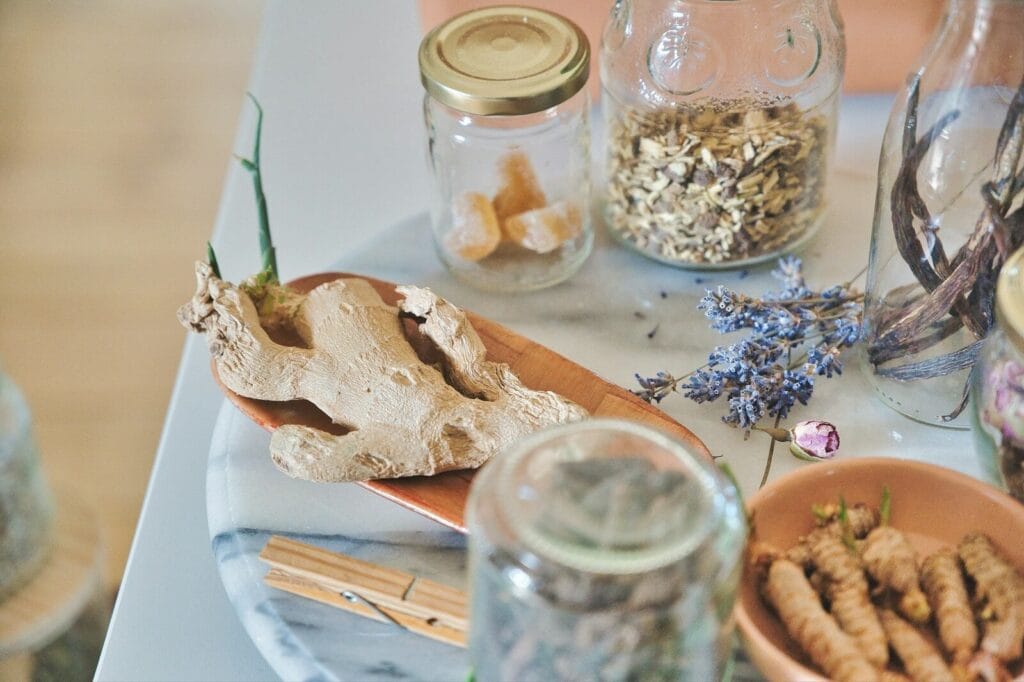
Galangal is one of the most famous Hildegard spices. It is traditionally used to strengthen the heart, promote circulation, and support digestive complaints. Galangal is considered warming and activating, and is often recommended for fatigue, feeling cold, weak digestion, or mild heart weakness. In the kitchen, it goes well with soups, vegetable dishes, and warm beverages.
Pellitory (Bertram) – The Digestive Fire
Pellitory (Bertram) is a classic Hildegard spice that strengthens digestive power (“digestive fire”). It is said to improve nutrient absorption and harmonize the overall metabolism. Pellitory is frequently sprinkled over food—from soups and vegetables to bread or warm breakfast dishes. It is considered mildly warming and particularly helpful for sluggish digestion.
Wild Thyme (Quendel) – Hildegard’s Mild Thyme
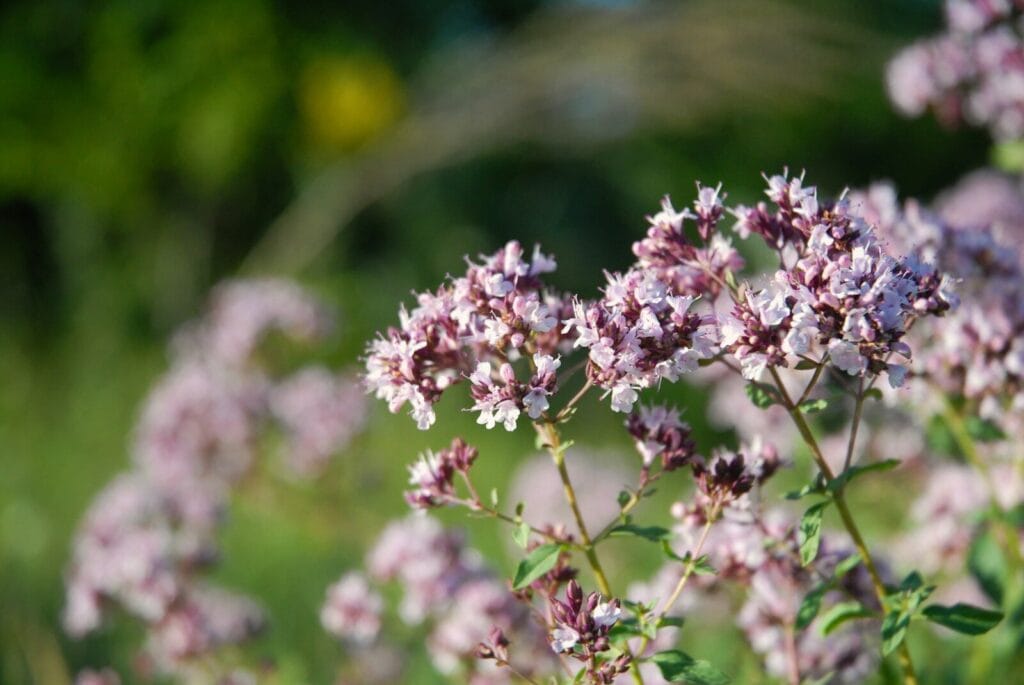
Wild thyme (Quendel), a species of wild thyme, has a warming, expectorant, and strengthening effect. According to Hildegard, it supports both digestion and the respiratory tract, and is considered a harmonizing herb for body and soul. Wild thyme is used in teas, soups, stews, and herbal blends, and is particularly suitable for people prone to coldness, moisture, or exhaustion.
Why Spices Are So Important
In Hildegard nutrition, spices serve to activate vital energy (“viriditas”), warm the body, and ease digestion. According to Hildegard, many complaints arise from coldness, dampness, or stagnation—and this is precisely where warming spices come in. They bring movement, clarity, and inner strength.
Practical Application in Daily Life
– Galangal in warm drinks or soups for energy and heart strengthening
– Pellitory sprinkled daily over meals for digestive support
– Wild thyme in teas and stews for warmth and respiratory strength
These spices are easy to integrate into daily life and are excellent for a warming, balancing diet according to Hildegard.
Bitter Herbs & Teas
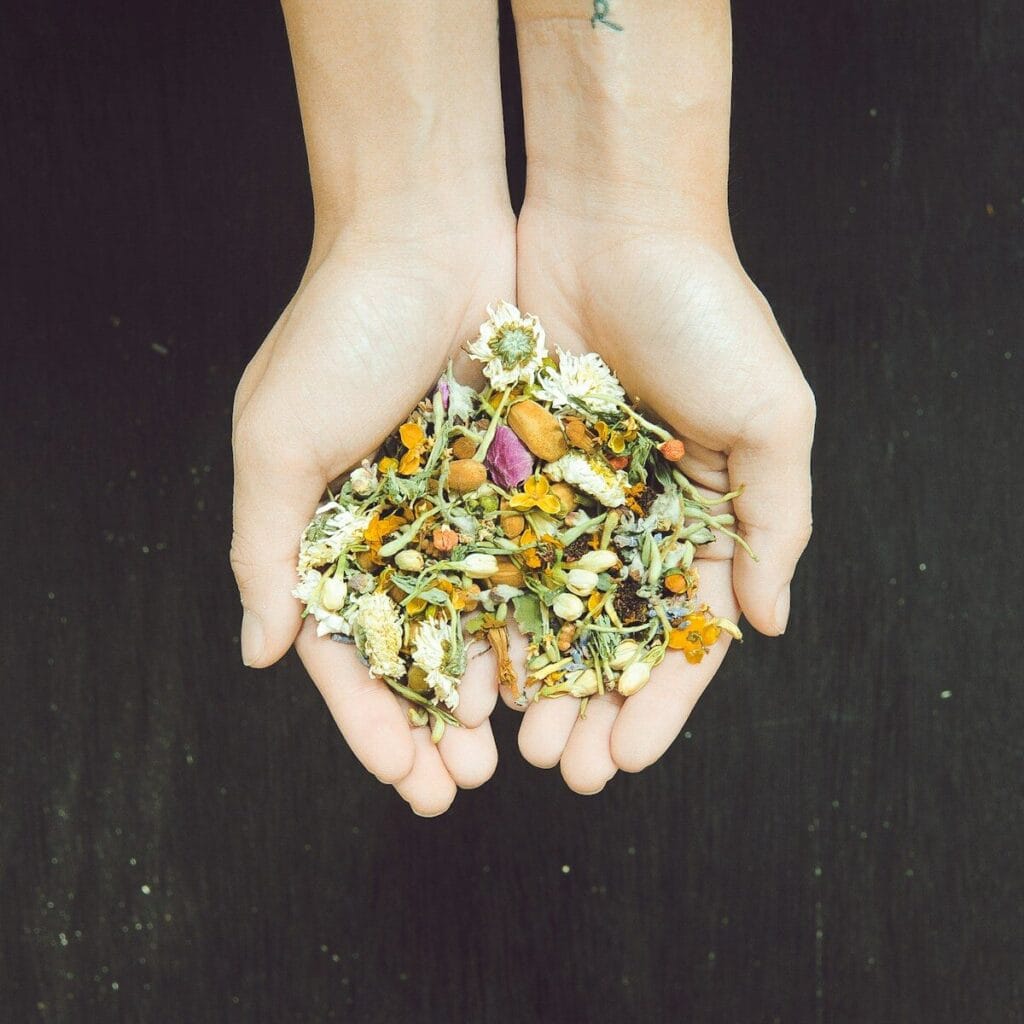
Bitter herbs are among the most important tools of Hildegard naturopathy when it comes to relief, cleansing, and activation. Bitter substances are considered natural triggers for digestion, liver, and metabolism. They bring order to the digestive tract, promote inner warmth, and help the body break down excess waste and stagnation.
Why Bitter Substances Are So Valuable
Bitter substances are hardly present in modern diets anymore—yet they are essential for healthy digestion. Hildegard uses bitter herbs to:
– stimulate digestive juices
– support liver function
– activate metabolism
– reduce feelings of fullness, sluggishness, and “inner coldness”
Bitter substances act like a natural start button for the entire digestive process.
Bitter Herbs in Hildegard Naturopathy
Hildegard uses various herbs and roots rich in bitter substances. These include, among others:
– Wormwood – strongly bitter, activating, clearing
– Gentian root – robust bitter tone, promotes digestion and warmth
– Dandelion – mildly bitter, supports liver and gallbladder
– Yarrow – harmonizing, relieving, warming
These herbs are traditionally used in powder form, teas, or herbal blends.
Bitter Powders and Herbal Blends
Hildegard frequently recommends bitter powders made from several herbs specifically used to relieve the body. They are intended to:
– “thoroughly warm” the body
– strengthen digestive power
– stimulate metabolism
– resolve inner stagnation
Bitter powders are usually sprinkled in small amounts over food or stirred into warm drinks.
Practical Application in Daily Life
Bitter herbs are easy to integrate:
– before or after meals as a bitter tea
– as a powder over warm food
– as an herbal blend in soups or vegetables
– as a gentle cure to relieve liver and digestion
They are particularly suitable for people prone to sluggishness, feeling过于 full, feeling cold, or weak digestion.
Bitter Herbs as Part of a Balancing Diet
In Hildegard nutrition, bitter herbs are considered cleansing and activating agents.
Teas
Teas – Warmth, Cleansing, and Gentle Regulation
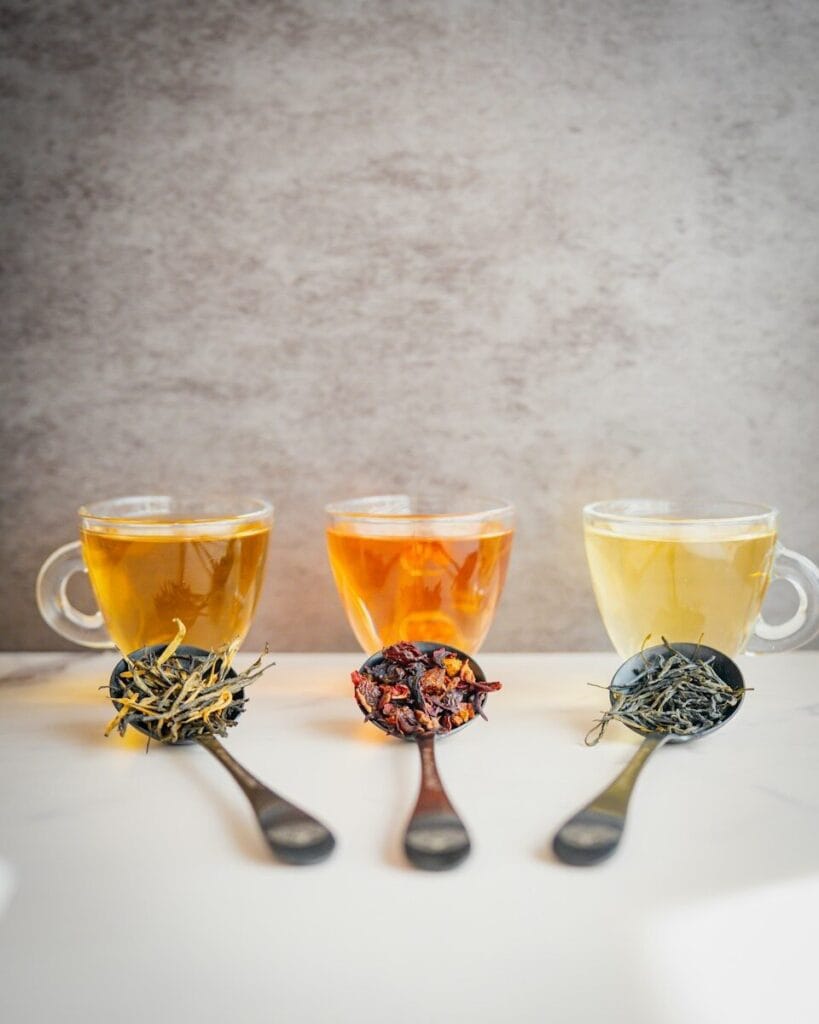
Teas play a central role in Hildegard naturopathy because they bring warmth, movement, and order to the body. They are considered gentle yet effective companions for digestion, nerves, respiratory tract, and metabolism. Hildegard recommends fennel tea in particular, balanced herbal blends, and bitter teas to strengthen, cleanse, and energetically harmonize the body.
Fennel Tea – Soothing and Balancing
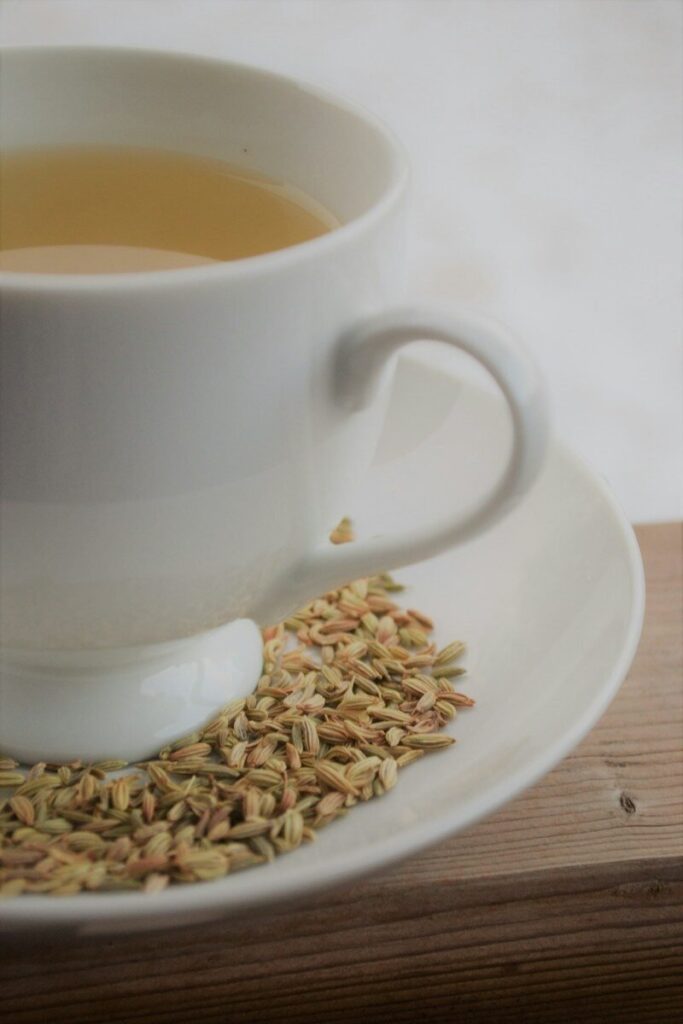
Fennel tea is one of the most important beverages in Hildegard nutrition. Its effects are:
– soothing to digestion
– nerve-strengthening
– warming and relaxing
– expectorant for the respiratory tract
Fennel tea is ideal after meals, during stress, or as an evening companion for inner calm. Hildegard describes fennel as a plant that “makes a person happy”—and precisely this mild, harmonizing effect is reflected in the tea.
Herbal Blends – Harmony for Body and Soul
Hildegard uses various herbal blends to support digestion, respiratory pathways, and emotional balance. Typical components are:
– Wild Thyme / Quendel (warming, clearing)
– Lemon Balm (soothing, relaxing)
– Sage (strengthening, cleansing)
– Yarrow (harmonizing, relieving)
These teas have a gentle regulatory effect and are suitable for daily use, especially during inner restlessness, feeling cold, or weak digestion.
Bitter Teas – Activation and Cleansing
Bitter teas contain herbs such as wormwood, gentian, or dandelion. They are considered strongly activating and support:
– liver and gallbladder
– metabolism and digestive juices
– inner warmth and energy flow
– natural detoxification
Hildegard uses bitter teas to relieve the body, dissolve stagnation, and strengthen digestive power. They are particularly suitable before or after heavy meals or as a short curative treatment.
Teas as Daily Companions
In Hildegard naturopathy, teas are not merely beverages, but therapeutic tools that gently regulate the body. They promote warmth, clarity, and balance and can easily be integrated into daily life—in the morning for activation, during the day for digestive support, or in the evening for relaxation.
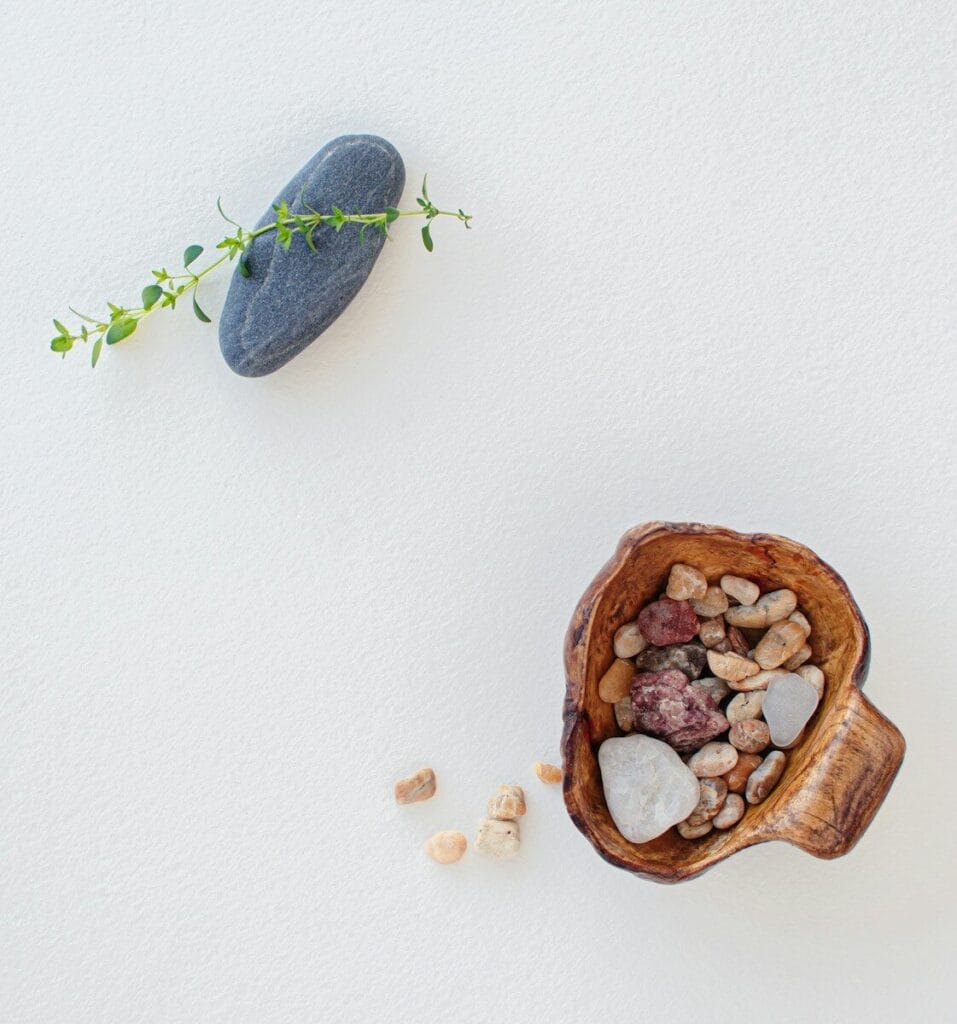
Gemstones
Gemstones in Naturopathy
In Hildegard medicine, gemstones play a special role as energetic companions. They are traditionally used to strengthen inner order, mental clarity, and as protection in daily life.
In Hildegard naturopathy, gemstones hold a special position. She views them not as magical objects, but as carriers of natural forces that can support humans on an emotional, energetic, and physical level. Gemstones are said to promote clarity, strengthen inner order, and harmonize the organism. Amethyst, jasper, and rock crystal are particularly emphasized.
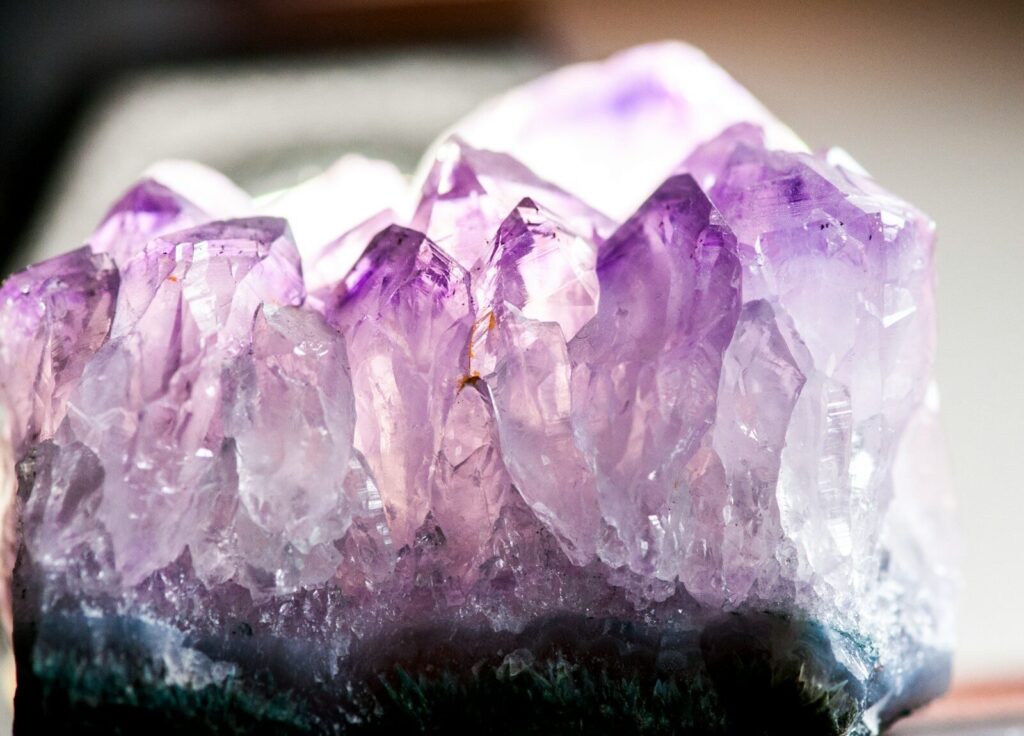
Amethyst – Stone of Calm and Clarity
Amethyst is considered by Hildegard as a stone that calms the nerves and mind. It is said to soothe inner restlessness, promote concentration, and release emotional tension. Amethyst water or wearing an amulet is traditionally recommended for:
– nervousness
– sleep restlessness
– mental overload
– emotional tension
Its clearing energy is intended to structure the mind and strengthen emotional balance.
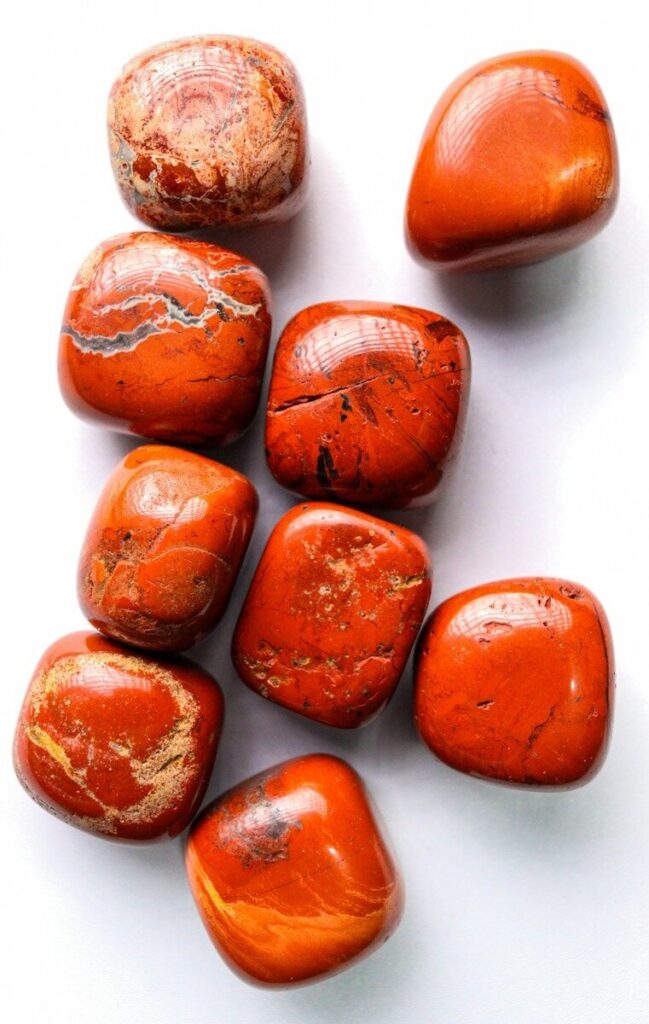
Jasper – Strength, Grounding, and Protection
Jasper is described as a strengthening and protective stone. It is said to promote courage, steadfastness, and physical strength. Hildegard recommends it particularly for exhaustion, weakness, or lack of grounding. Jasper is often worn as an amulet or placed on specific body parts to impart energy and stability.
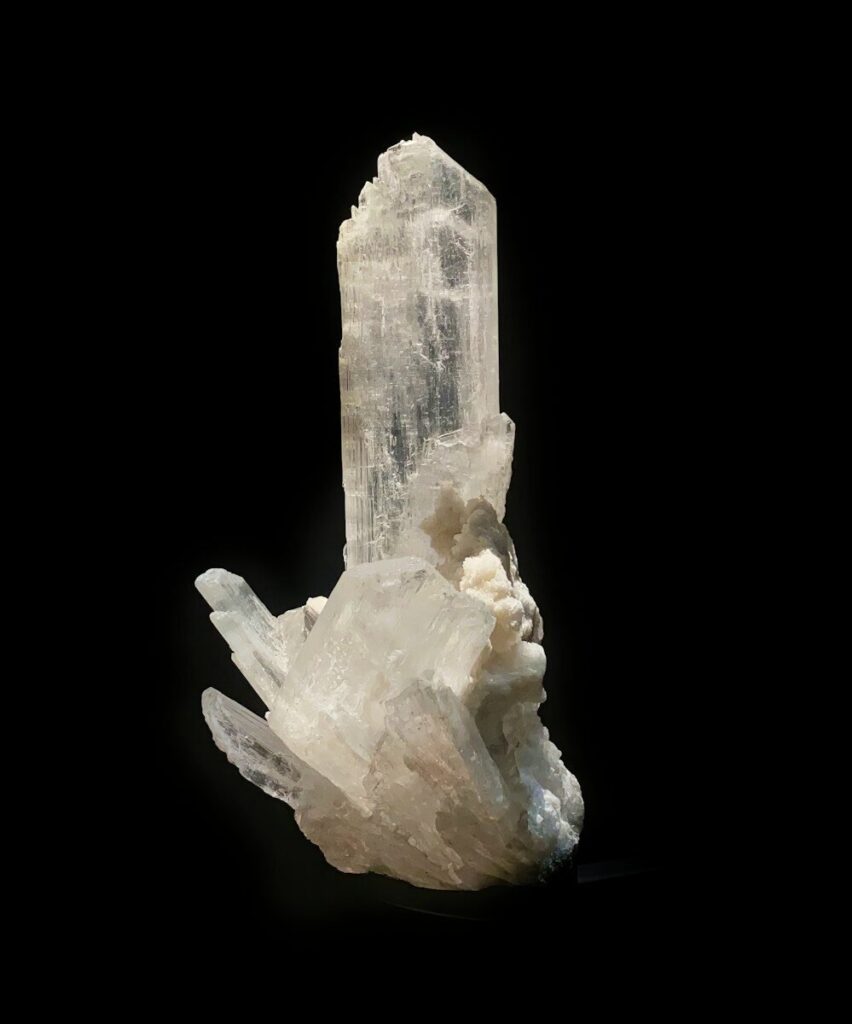
Rock Crystal – Purity and Harmonization
Rock crystal is considered cleansing, organizing, and light-bringing. It is said to harmonize energy flow in the body, create clarity, and support self-healing powers. Rock crystal water is traditionally used to refresh the body, clear the mind, and strengthen inner order.
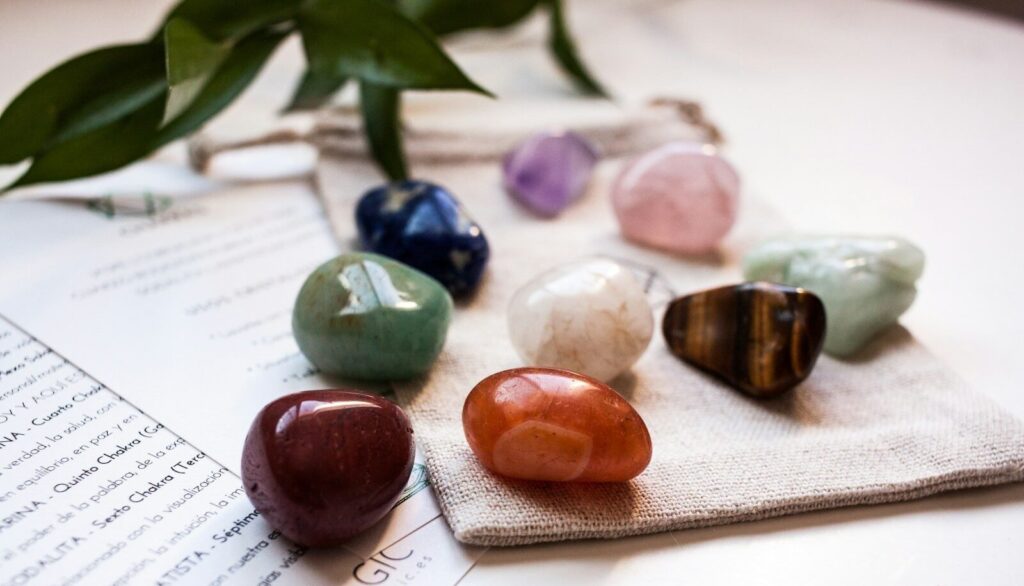
Application Methods in Hildegard Naturopathy
Hildegard describes three classic ways to apply gemstones:
Gemstone water: Stones are placed in water to transfer their energetic properties.
Amulets: Gemstones are worn on the body to promote protection and stability.
Placements (Auflagen): Stones are placed on specific body areas to provide local relaxation or energetic support.
These applications are not meant to replace human agency, but to accompany it—as gentle support for emotional and physical processes.
Gemstones as Part of a Holistic Lifestyle
In Hildegard naturopathy, gemstones serve to promote inner order, clarity, and harmony. They complement nutrition, herbs, and daily rhythm, supporting individuals on a subtle, energetic level.
Recommended Products & Book Tips
Organic Spelt & Ancient Grains
Recommended spelt flours and ancient grain products based on authentic Hildegard recipes.
Bitter Substances & Herbs
Original Hildegard bitter herb blends and fennel teas for digestion.
Literature & Practical Books
Standard works and practical guides on the healing arts and cuisine of Hildegard von Bingen.