Traditional Health –
Home Remedies, Herbal Knowledge & Traditional Naturopathy
Knowledge that has sustained generations.
Discover time-tested healing methods, herbs, and applications.
Topic Overview
What is Naturopathy?
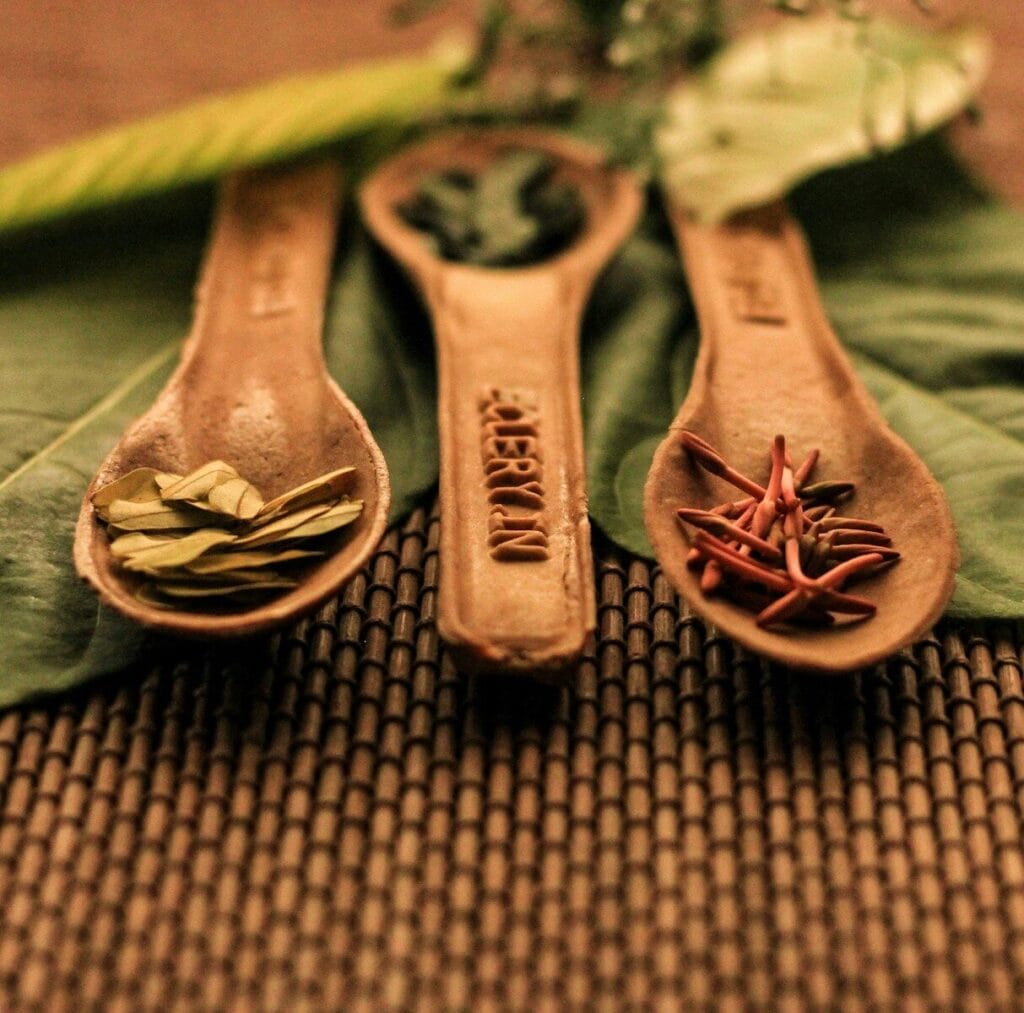
Naturopathy is a centuries-old treasure trove of knowledge stemming from monasteries, cottage gardens, folk medicine, and the observation of nature. It combines practical experience with a deep understanding of plants, water, nutrition, and lifestyle.
While modern medicine relies on technology, laboratory values, and pharmacological precision, traditional medicine is based on simplicity, naturalness, and the idea of bringing body and mind into harmony.
Among the most important pillars are monastic medicine, herbalism, Kneipp hydrotherapy, the nutritional principles of Hildegard von Bingen, and a variety of home remedies passed down through generations.
These traditions are not only historically fascinating—they are experiencing a renaissance today. Many people are once again looking for natural, gentle, and practical methods to promote health, relieve discomfort, and boost well-being.
Naturopathy views health holistically: nutrition, movement, breathing, water, herbs, and daily rhythm work together. It is not just about treating symptoms, but strengthening the body’s self-healing powers. On this page, you will find a modern, clear, and practical breakdown of this knowledge—from herbs and home remedies to Kneipp applications, Schüßler salts, and traditional cleansing rituals.
Naturopathy is no substitute for medical treatment, but it provides valuable insights that have been part of our culture for centuries and help many people in their daily lives.
Overview of Traditional Applications
Naturopathy has its origins in a long tradition that reaches far back before modern medicine. As early as the Early Middle Ages, monasteries played a central role in collecting, preserving, and passing on healing knowledge.
Monks and nuns cultivated herb gardens, documented the effects of plants, and developed recipes for teas, salves, and tinctures. Many of these records still form the foundation of European herbalism today.
Monastic medicine was particularly influential, combining practical experience with spiritual and natural philosophical approaches. Hildegard von Bingen is considered one of the most prominent figures of this tradition.
In parallel, a vibrant folk medicine developed in rural areas. Farmers, midwives, and herbalists passed down their knowledge orally—about plants, compresses, home remedies, and simple applications that helped in everyday life.

In the 19th century, naturopathy experienced a new resurgence. Sebastian Kneipp founded modern hydrotherapy and popularized practices like water treading, alternating pours, and herbal baths.
At the same time, new concepts emerged, such as Dr. Schüßler’s biochemistry, which focused on the body’s mineral balance.
These various movements—monastic medicine, folk medicine, Kneipp, Schüßler, and regional herbal traditions—merged over time into a unique system of naturopathy.
Today, this knowledge is experiencing a revival. People are once again seeking natural, gentle, and sustainable methods that strengthen body and mind and easily integrate into daily life.

Folk Medicine & Historical Perspectives
Home remedies are among the best-known and most widespread forms of naturopathy. Many of these applications have been passed down through generations and have proven themselves in everyday life.
They are based on simple ingredients like onions, potatoes, honey, herbs, or vinegar—items found in almost every household.
Compresses and wraps are particularly popular, using warmth, moisture, or essential oils to relieve discomfort.
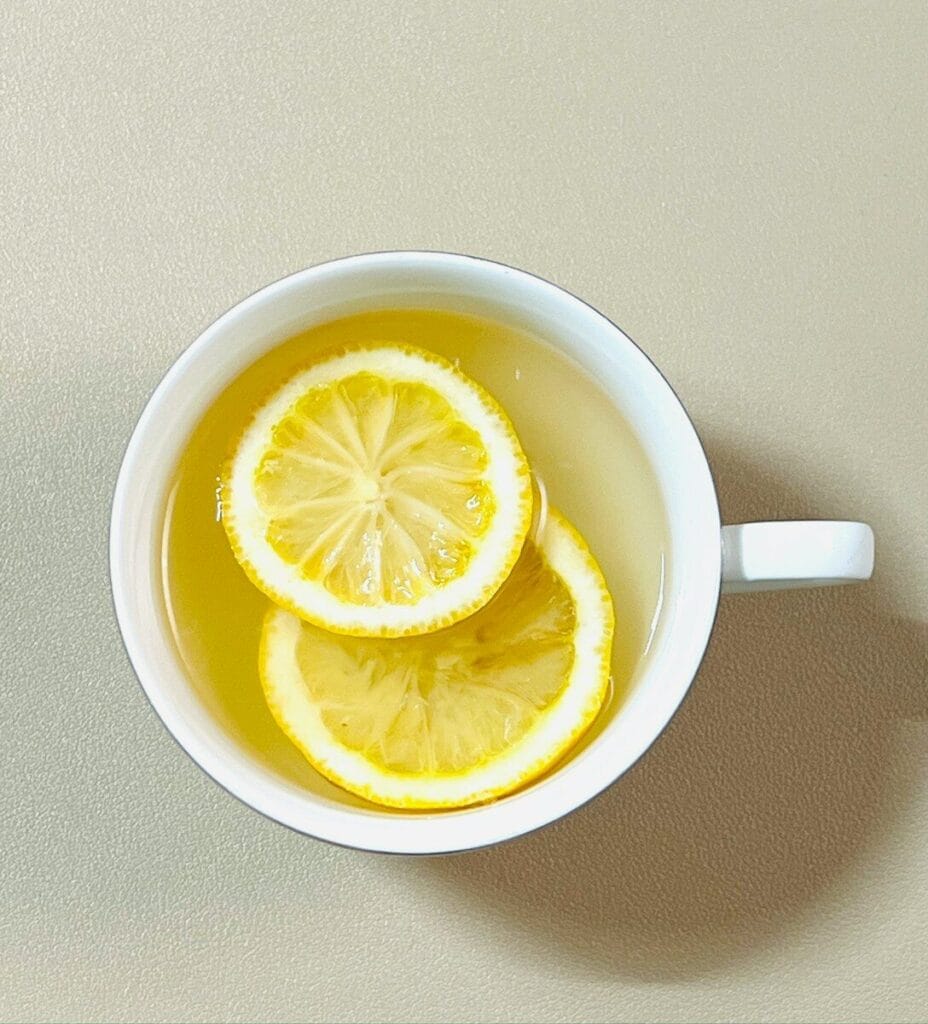
Herbal teas also play a major role: chamomile soothes, sage strengthens the throat, thyme supports the airways, and spruce needle tea has a refreshing and liberating effect.
Many home remedies are not only effective but also easy to use—ideal for families, daily life, and the home medicine cabinet.
This page introduces the most important home remedies, explains their application, and shows how they can be used safely and sensibly.
Category Overview
Traditional German naturopathy encompasses a variety of fields that complement one another.
This page offers a clear structure so you can quickly find the right topics.
Each category contains detailed explanations, practical guides, and recommendations for suitable products.