
Home Remedies & Time-Honored Health Routines
Time-tested home remedies have provided gentle and effective ways for generations
to support everyday well-being.
Topic Overview
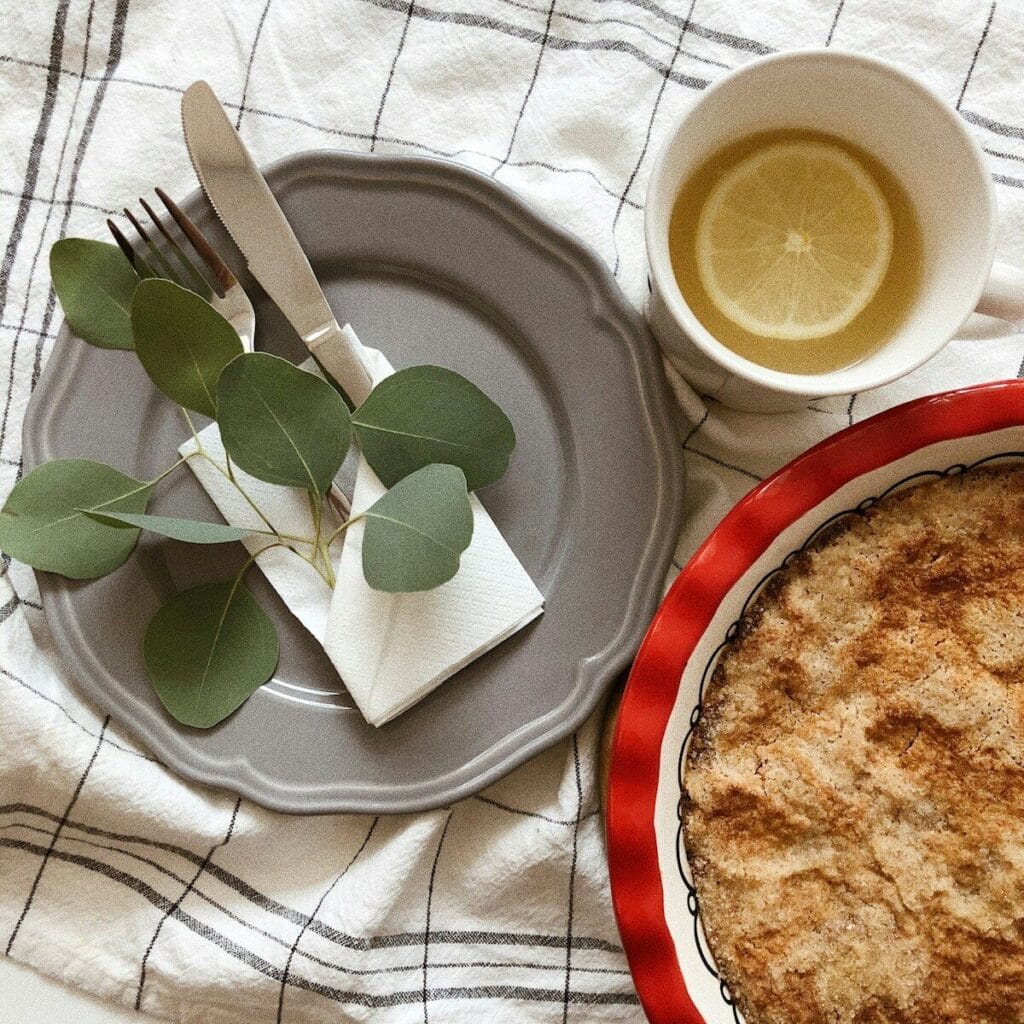
Introduction to Classic Home Remedies
Home remedies are among the oldest forms of self-care, relying on simple ingredients available in almost every household. Passed down through generations, they have been refined and adapted to new ways of living. They are not based on complex medical systems, but on observation, experience, and practical everyday suitability.
Many of these applications utilize warmth, moisture, herbs, or foods to gently support the body and stimulate its natural self-regulation mechanisms. Home remedies are inexpensive, easy to implement, and often well-tolerated, which is why they maintain a firm place in many families to this day. Modern reviews show that some of these traditional methods can indeed offer support—particularly for mild cold symptoms, restlessness, digestive issues, or muscle tension. At the same time, home remedies convey a sense of self-efficacy, allowing you to actively improve your well-being with simple means. They are especially suited for those who prefer natural, gentle paths and wish to avoid overwhelming their bodies. Many home remedies can be flexibly adapted and combined with modern routines. This chapter introduces proven applications, explains their background, and shows how they can be sensibly used in everyday life. The focus rests on non-medical, practical methods that support both body and mind equally.
Honey Milk
Honey milk is one of the most famous traditional home remedies, used for centuries to ease tickly coughs, trouble falling asleep, and inner restlessness. The combination of warmth and sweetness has a calming effect and conveys a sense of comfort. As you drink it, honey forms a protective film over the mucous membranes, soothing a dry cough. Warm milk relaxes the body and helps relieve evening tension. Many people use honey milk as a soothing bedtime ritual, especially during stressful periods or cold seasons. The drink is quick to prepare and requires only two ingredients almost always found at home. Traditionally, it is recommended not to drink the milk too hot to preserve the beneficial components of the honey. However, honey is not suitable for infants under one year old. Honey milk exemplifies how simple foods can unfold a gentle, comforting effect. It is particularly ideal for those looking to unwind in the evening or seeking a natural alternative to sweet snacks.
Honey Comparison
Not all honey is created equal—each variety possesses its own aroma, consistency, and traditional use. Acacia honey is mild, stays liquid for a long time, and is particularly suited for sweetening tea or honey milk. Forest honey is bolder, darker, and richer in minerals; it is often used for robust teas or savory applications. Manuka honey is frequently highlighted for skincare or topical applications due to its unique compound profile. Wildflower honey is aromatically versatile and used in many households as an all-round honey. The choice of honey often depends on taste as well as the intended purpose. Mild varieties are traditionally preferred for coughs and throat discomfort because they feel pleasant in the mouth. For external use, such as in ointments or compresses, Manuka or forest honey is commonly selected. The quality of honey depends heavily on origin, processing, and purity. Local apiaries often offer exceptionally high-quality products. Conscious selection shows how versatile this natural product can be in your home remedy collection.

Inhalation as a Home Remedy
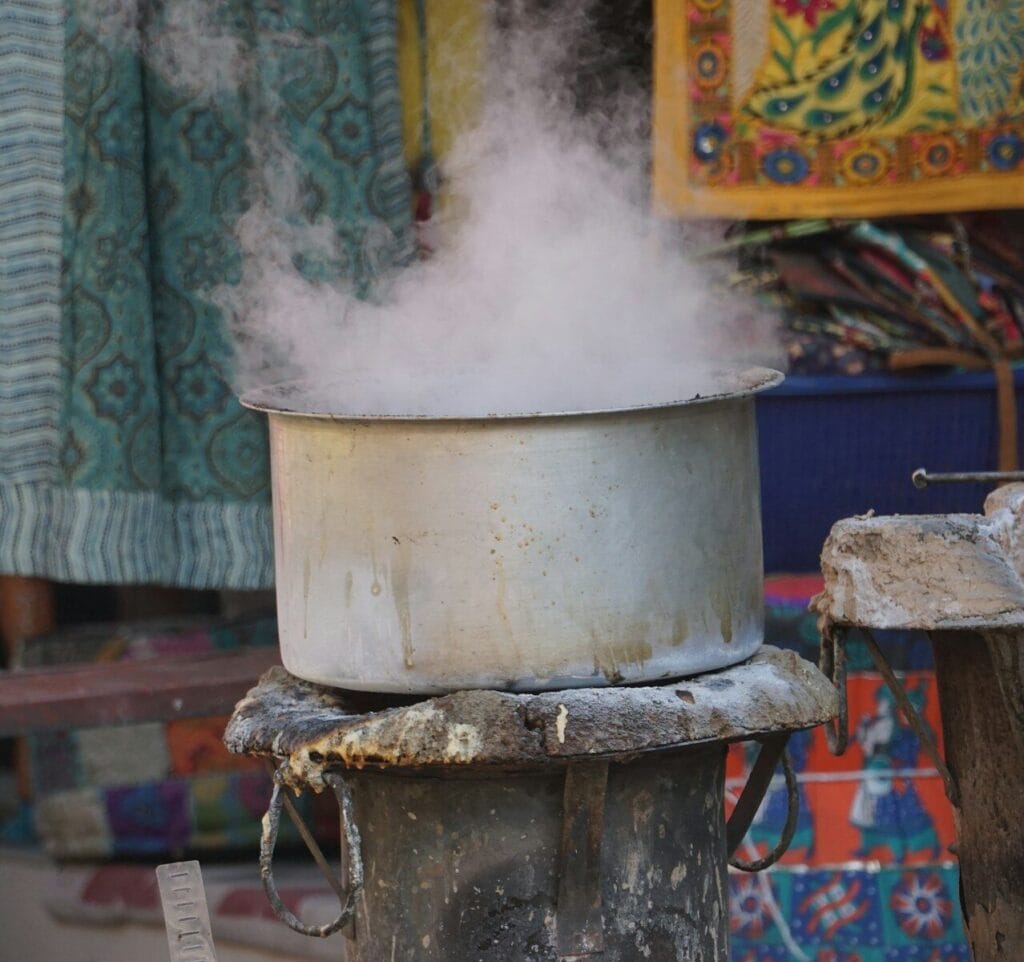
Hot steam inhalation is one of the best-known home remedies for colds, coughs, and sinus discomfort. The warm steam moisturizes mucous membranes, loosens stubborn mucus, and eases breathing. Herbs like chamomile or thyme are frequently added, as their aromatic vapor is deeply soothing. Application is straightforward: pour hot water into a bowl, add herbs, lean your head over the bowl, and cover with a towel. The warmth is relaxing and can also ease facial tension. Inhalations are especially suitable during cold weather or dry indoor heating conditions. They serve as a gentle method to deliver moisture to the airways. Caution is required with children, asthma, or extremely hot water; temperatures should remain comfortable to prevent burns. Inhalations clearly demonstrate how heat, moisture, and herbs work together to enhance well-being.
Inhalation — volatile active compounds directly to the airways
Inhalation uses hot steam or essential vapors to deliver volatile plant compounds (e.g., from thyme, sage, or chamomile) straight to the respiratory tract. They are particularly suitable for colds, coughs, mucus relief, and supporting respiratory clearing. Advantages: rapid local effect, simple home application (bowl, towel, steam inhaler). Safety note: consult a doctor beforehand regarding children, asthma, or cardiovascular conditions; ensure correct dosage and temperature.
Inhalers Comparison
Various ways to inhale exist, differing in convenience, safety, and intensity. The simplest technique is classic bowl inhalation using hot water and herbs. While cost-effective and flexible, it requires care due to open hot water. Steam inhalers offer a more controlled temperature and greater safety, as water remains enclosed, making them great for regular use. Electric nebulizers generate fine aerosols and are often used in medical contexts to transport compounds deep into the lungs. However, for general home remedies, a bowl or steam inhaler usually suffices. The choice depends on age, frequency of use, and desired effect. Children often benefit from devices with safe temperature controls, whereas adults frequently favor the classic method for its simplicity. A quality inhaler should be easy to clean and produce a comfortable stream of vapor. Overall, this comparison highlights the diverse ways to harness steam and herbs.
Cold Relief
Home Remedies for Coughs
When dealing with coughs, remedies focusing on loosening mucus, soothing irritation, and providing warmth take priority. Thyme tea, onion syrup, and warm chest compresses are especially proven choices. Thyme contains aromatic compounds traditionally associated with respiratory support. Onion syrup, made from onions and sugar or honey, creates a mild, sweet syrup that coats the throat. Warm chest compresses promote circulation and ease tightness. The goal of these home remedies is not to suppress the cough, but to assist the body’s natural airway clearing process. Studies and medical guidelines confirm that honey and thyme can be helpful for mild symptoms. Many rely on these remedies during cold weather or at the first signs of illness. Warm drinks, rest, and fresh air also offer great support. Home cough remedies are easy to prepare, offering a sense of warmth, care, and comfort.
Home Remedies for Nasal Congestion
For runny or congested noses, applications promoting moisture, warmth, and clear nasal passages are ideal. Hot steam baths hydrate mucous membranes and break up trapped congestion. Isotonic saline nasal solutions cleanse the nose and are traditionally used to ease nasal breathing. Essential oils such as eucalyptus or peppermint can be used cautiously, but should be applied sparingly. Warmth—such as a warm cloth across the forehead or nose—relaxes and soothes sensitive nasal passages. Warm beverages are also comforting, heating the body from within. Fresh air and regular ventilation further enhance well-being. Though a cold is usually harmless, home remedies help relieve symptoms and make daily life more comfortable, especially during cold weather or dry indoor air. Overall, they bring a sense of openness, lightness, and easier breathing.
Home Remedies for Sore Throats
Sore throats are traditionally addressed with warming, soothing, and moisturizing home remedies. Sage tea, honey, warm throat compresses, and gargle solutions are particularly trusted. Sage tea is aromatic and widely used for gargling since it contacts the throat directly. Honey, allowed to melt slowly in the mouth, leaves a coating that feels instantly soothing. Warm compresses boost local circulation and ease muscle tightness around the throat and neck. Gargling with sage or warm salt water is a traditional way to moisten and calm throat irritation. Many turn to these approaches at the first tickle or feeling of dryness. Warm drinks and rest also support recovery, though severe or persistent pain warrants medical evaluation. Home remedies for sore throats bring warmth, protection, and welcome relief.

Digestion
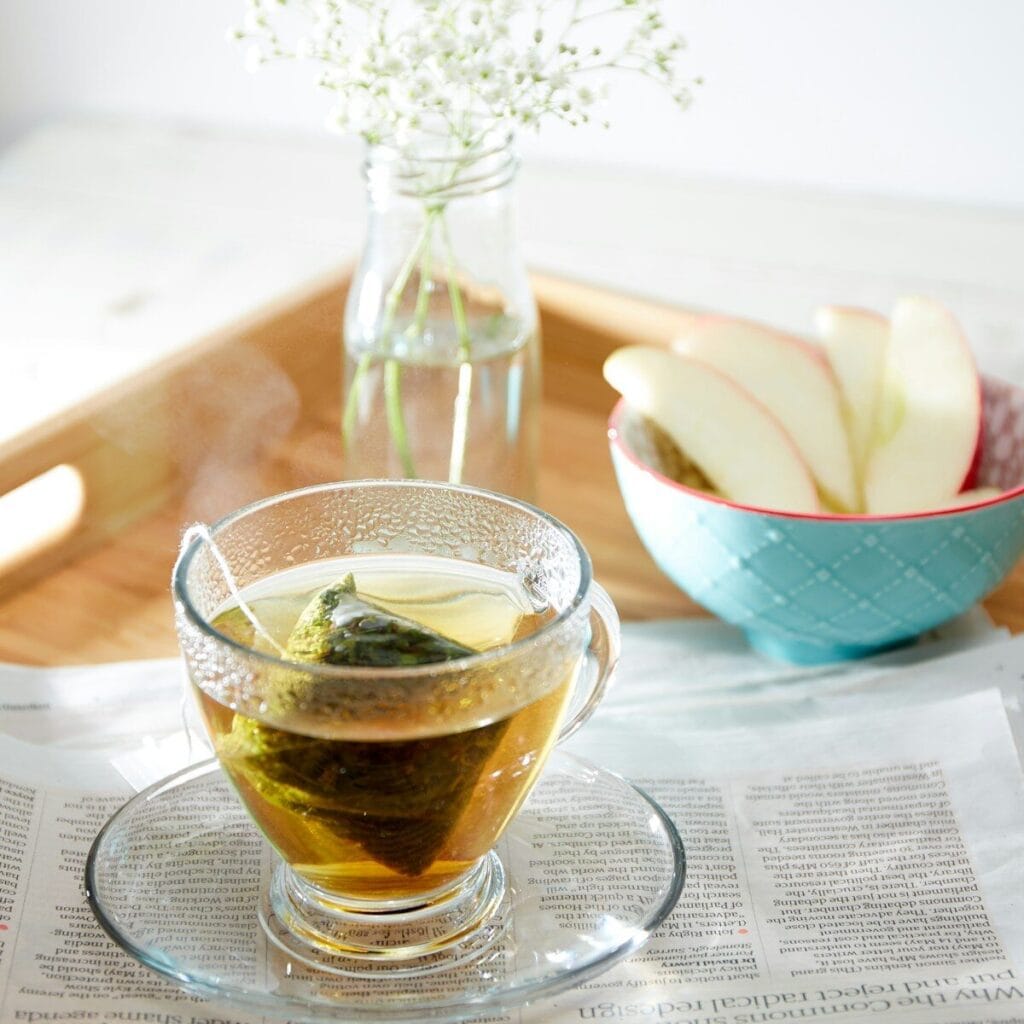
Numerous home remedies utilize heat, movement, and herbs to support healthy digestion. Fennel tea, caraway, peppermint, and heat applications on the abdomen are time-tested remedies. Fennel tea is traditionally enjoyed after meals to promote a feeling of lightness. Caraway is frequently added to dishes as a stomach-friendly spice. Peppermint offers a refreshing effect and is often chosen for feelings of fullness. Applying a hot water bottle to the abdomen relaxes muscles and improves local blood flow. Smaller, regular meals prevent overloading the digestive system. Bitters stimulate digestive juices, encouraging clear bodily signals. Many rely on these remedies after heavy meals or during stressful times. Simple to put into practice, they foster calm, comfort, and inner balance.
Bitters represent some of the oldest home remedies for supporting digestion, liver function, and metabolism. Herbs like gentian, dandelion, and wormwood contain natural bitter compounds that trigger digestive juices. They are traditionally consumed as teas, tinctures, or bitter powders. Bitters encourage clear digestive signaling and can reduce cravings. Many take them before meals to prepare the stomach. In folk medicine, bitters are revered for their cleansing and activating qualities, proving especially beneficial during times of sluggishness, fullness, or heavy eating. Bitters provide a simple yet powerful way to support metabolism, bringing a sense of clarity, activation, and inner order.
Compresses
Vinegar Compress
Vinegar compresses are traditional folk remedies that leverage the evaporative cooling of diluted apple cider vinegar. They are traditionally applied for fevers, swollen joints, tired legs, or an overall sensation of heat in the body. To prepare, dip a cloth into lukewarm water mixed with a little apple cider vinegar and lay it gently on the skin. As the liquid evaporates, it creates a soothing, refreshing cooling effect. Applications should remain brief to avoid irritating the skin. Especially during summer or after physical exertion, a vinegar compress can feel remarkably refreshing. In traditional practices, it was also used to relieve heavy legs or mild swelling. Monitoring skin reactions is essential; stop immediately if redness or burning occurs. Vinegar compresses illustrate how everyday household ingredients can be used in versatile ways, offering a natural cooling alternative without synthetic products.
Liver Compress
The liver compress is a traditional technique involving a warm cloth or hot water bottle placed over the upper right abdomen. Warmth enhances circulation and relaxes surrounding muscles. Many find this ritual soothing and comforting, particularly following heavy meals or during stressful periods. Frequently performed in the evening to help the body unwind, the compress supports digestion by introducing warmth to the abdominal area. It is simple, taking only a few minutes to set up. In folk remedies, warmth is a fundamental element of well-being and inner balance, making the liver compress a comforting wrap that brings a sense of coziness, quiet, and relief.

Heat
Hot water bottles remain among the most popular home remedies for warmth, relaxation, and pain relief. Standard rubber hot water bottles retain heat well and suit versatile uses. Grain pillows can be quickly heated in the microwave, releasing heat slowly and evenly. Electric heating pads provide adjustable temperature settings ideal for extended sessions. Warmth loosens muscle tension, encourages blood flow, and nurtures a feeling of security. Many rely on hot water bottles for stomach cramps, muscle tightness, or on chilly days. They are also wonderful for easing into relaxation routines or preparing for sleep. Choosing the right heating method depends on personal preference, but all offer an easy, effective way to foster relaxation and well-being.
Recommended Products for Home Remedies & Traditional Health Routines
Selected inhalers, hot water bottles, and accessories for your daily home medicine chest.
Inhalers & Accessories
Portable mesh inhalers designed for targeted respiratory support.
Stomach & Digestive Herbs
Trusted bitters and herbal powders for gentle stomach and digestive care.
Hot Water Bottles & Heating Pads
Classic natural rubber hot water bottles with soft covers and grain pillows for relaxing heat therapy.